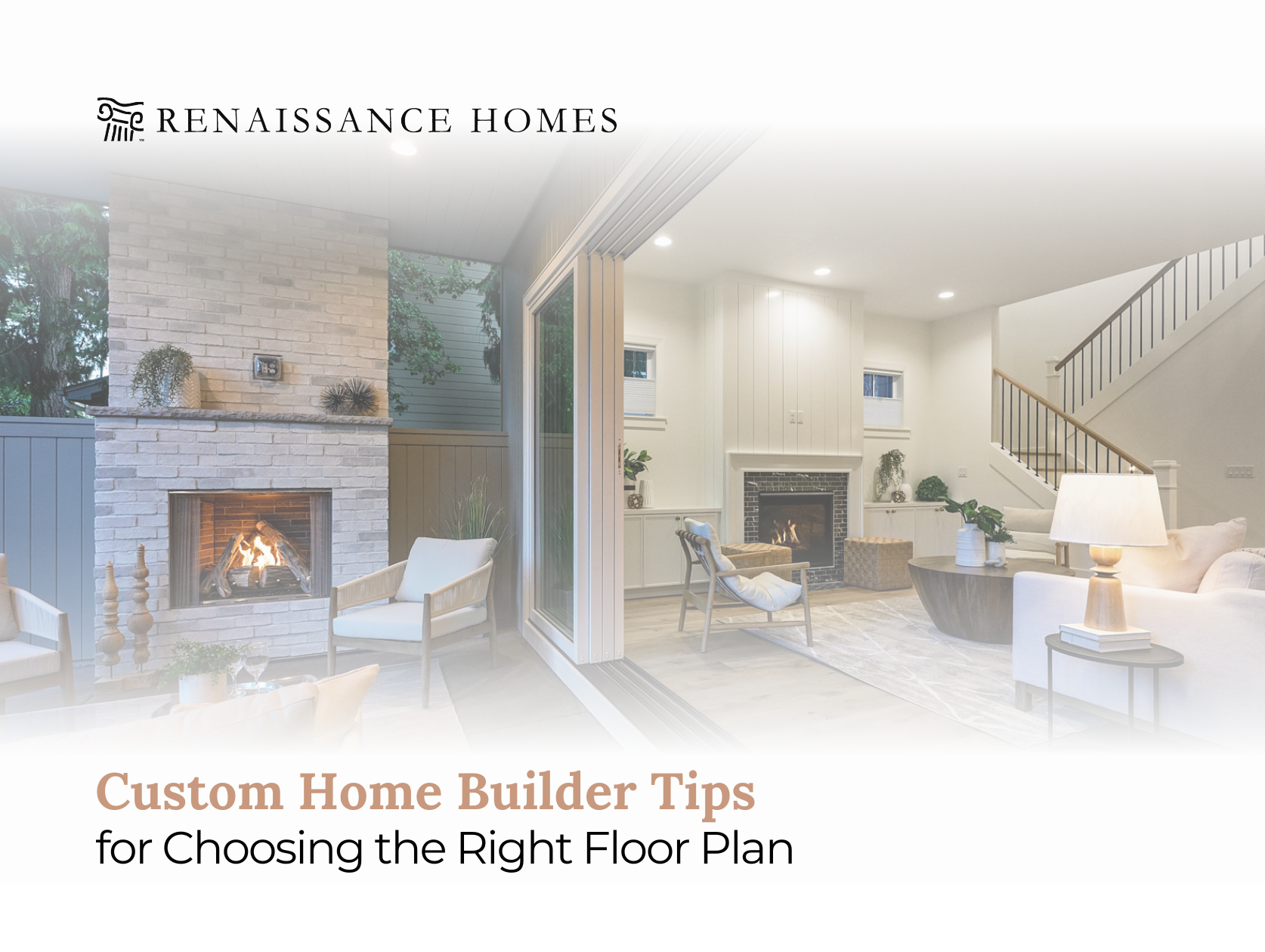
Building a custom home represents one of life’s most significant investments and personal achievements. The journey begins with selecting the perfect floor plan that aligns with your lifestyle, needs, and dreams. Making the right choice requires careful consideration of numerous factors, from family dynamics to future needs. This comprehensive guide will walk you through the essential considerations and expert tips for choosing a floor plan that will serve you well for years to come.
Understanding Your Lifestyle Needs
The foundation of selecting the ideal floor plan starts with a deep understanding of how you live daily. Your home should reflect and support your unique lifestyle patterns, daily routines, and personal preferences. Consider how you move through your current living space and identify what works well and what creates friction in your daily life.
Think about your morning routines, entertainment habits, and work-from-home needs. Do you prefer open spaces where family members can interact freely, or do you value private retreats for quiet moments? Understanding these fundamental aspects will guide you toward a floor plan that enhances rather than hinders your daily life.
Assessing Current and Future Family Dynamics
Your family’s composition today might look very different in five or ten years. When working with custom home builders, it’s crucial to think beyond immediate needs and consider how your family might evolve. Are you planning to have children? Will aging parents potentially move in? These considerations significantly impact the floor plan you should choose.
A well-designed floor plan accommodates both current needs and future possibilities. Consider flexible spaces that can adapt as your family grows or changes. A home office might later become a nursery, or a guest suite could transform into quarters for an elderly parent. This forward-thinking approach ensures your home remains functional and comfortable throughout different life stages.
The Importance of Room Flow and Traffic Patterns
The way rooms connect and flow into each other dramatically impacts daily living comfort. Professional builder for custom homes understand that efficient traffic patterns reduce congestion and create a more harmonious living environment. Consider how family members will move between frequently used spaces like the kitchen, living areas, and bedrooms.
Pay special attention to the relationship between public and private spaces. Ideally, entertaining areas should be easily accessible from the entrance while maintaining separation from private bedroom areas. The kitchen, often considered the heart of the home, should have convenient access to dining areas and outdoor spaces while maintaining clear pathways that don’t interfere with cooking activities.
Kitchen Layout Considerations
The kitchen deserves special attention when selecting a floor plan, as it serves as both a functional workspace and a social hub. Modern families spend considerable time in the kitchen, making its design and placement within the floor plan crucial for overall satisfaction with your custom home.
Consider the work triangle concept, which optimizes the distance between the sink, stove, and refrigerator. Think about counter space, storage needs, and whether an island would enhance functionality. The kitchen’s relationship to other rooms matters too. Many homeowners prefer kitchens that open to family rooms, allowing meal preparation while staying connected with family activities.
Master Suite Placement and Design
The master bedroom suite location within your floor plan significantly impacts privacy and convenience. Some homeowners prefer main-floor master suites for accessibility and convenience, especially when considering aging in place. Others value the separation and quiet that an upstairs master suite provides.
Consider the suite’s relationship to other bedrooms, especially if you have young children who might need nighttime attention. Think about natural light exposure, views, and the proximity to laundry facilities. The master suite should feel like a private retreat while remaining functionally connected to the rest of the home.
Evaluating Natural Light and Views
Oregon’s natural beauty makes incorporating views and natural light essential considerations when choosing a floor plan. The orientation of your home on the lot affects which rooms receive morning versus afternoon light. Custom built homes can be designed to maximize these natural assets, enhancing both energy efficiency and living enjoyment.
Consider which rooms you’ll use most during different times of day and plan accordingly. A breakfast nook benefits from eastern exposure for morning sunshine, while a family room might better suit western exposure for evening relaxation. Large windows and strategic placement of rooms can frame spectacular views and create connections with the outdoor environment.
Storage Solutions and Organization
Adequate storage prevents clutter and maintains the beauty of your custom home. When evaluating floor plans, look beyond bedroom closets to consider overall storage strategy. Pantries, linen closets, coat closets, and garage storage all contribute to an organized, functional home.
Think about specific storage needs like sports equipment, seasonal decorations, or hobby supplies. Built-in solutions integrated into the floor plan often provide more efficient storage than furniture additions. Consider how storage locations relate to where items will be used, minimizing the need to carry things long distances through the home.
Indoor-Outdoor Living Integration
The Pacific Northwest’s natural beauty and mild climate make indoor-outdoor living a desirable feature. Your floor plan should facilitate easy transitions between interior and exterior spaces. Consider how doors and windows can create visual and physical connections to patios, decks, and gardens.
Think about covered outdoor spaces that extend living areas and provide year-round enjoyment despite Oregon’s rainy seasons. The relationship between indoor and outdoor dining areas, the flow from family rooms to patios, and the connection between master suites and private outdoor spaces all enhance the living experience.
Considering Energy Efficiency in Floor Plan Design
The layout of your home significantly impacts energy efficiency. Compact designs with logical room arrangements typically require less energy for heating and cooling. When reviewing floor plans with custom home builders, discuss how different layouts affect energy consumption and comfort.
Consider how room placement affects heating and cooling needs. Grouping bedrooms together allows for zoned climate control. Placing frequently used rooms to take advantage of natural light reduces electrical needs. Buffer spaces like mudrooms and garages can help maintain comfortable temperatures in living areas.
Flexibility and Multi-Purpose Spaces
Modern living demands flexibility, and your floor plan should accommodate changing needs. Multi-purpose spaces add tremendous value by serving different functions as your lifestyle evolves. A well-designed flex room might function as a playroom, home office, or guest room depending on current needs.
Consider how spaces can serve multiple functions without major renovations. Open floor plans naturally provide flexibility, but even traditional layouts can incorporate adaptable spaces. Think about room sizes that accommodate different furniture arrangements and uses over time.
Privacy Considerations for Different Family Members
Balancing togetherness with privacy requires thoughtful floor plan selection. Consider noise transmission between rooms and how layout affects privacy for different family members. Teenagers appreciate bedroom locations that offer independence, while young children benefit from proximity to parent bedrooms.
Think about acoustic privacy as well as visual privacy. The placement of bedrooms relative to entertainment areas, the location of home offices for video calls, and the separation of quiet and active zones all contribute to a harmonious household where everyone’s needs are respected.
Evaluating Lot Characteristics and Constraints
Your lot’s unique characteristics influence which floor plans will work best. Factors like slope, shape, views, and neighboring properties all impact floor plan selection. A skilled builder for custom homes can help you understand how different layouts maximize your lot’s potential while addressing any constraints.
Consider setback requirements, easements, and any environmental protections that might affect building placement. The lot’s orientation affects natural light and views, potentially making certain floor plans more suitable than others. Understanding these factors early prevents disappointment and ensures your chosen floor plan works harmoniously with your property.
Budget Considerations for Different Floor Plans
Different floor plans come with varying construction costs. Simple, rectangular layouts typically cost less to build than complex designs with multiple angles and rooflines. When working with custom home builders, discuss how different floor plan choices affect your budget.
Consider long-term costs as well as initial construction expenses. Energy-efficient layouts might cost more initially but save money over time. Similarly, a well-designed floor plan that meets your needs for many years provides better value than one requiring future additions or modifications.
Working with Architects and Designers
Professional guidance helps translate your vision into a functional floor plan. Architects and designers bring expertise in space planning, building codes, and design principles. They can identify potential issues and suggest solutions you might not have considered.
When collaborating with design professionals, clearly communicate your priorities and lifestyle needs. Share examples of layouts you like and explain what appeals to you. Be open to suggestions while staying true to your essential requirements. This collaborative process results in a floor plan that combines your vision with professional expertise.
Common Floor Plan Mistakes to Avoid
Learning from others’ experiences helps you make better decisions. Some common mistakes include:
- Inadequate storage space throughout the home
- Poor traffic flow that creates bottlenecks
- Rooms that are too small for intended furniture
- Insufficient separation between public and private areas
- Overlooking the importance of natural light
Understanding these potential pitfalls helps you evaluate floor plans more critically and avoid disappointment after construction.
Future-Proofing Your Floor Plan Choice
Choosing a floor plan with long-term livability ensures your investment continues providing value. Consider aging-in-place features like wider doorways, accessible bathrooms, and minimal stairs. Even if these features aren’t immediately needed, incorporating them during initial construction costs far less than later modifications.
Think about technological changes and how your floor plan can accommodate future innovations. Adequate electrical capacity, conduit for future wiring, and flexible spaces for evolving technology needs help your home stay current. Custom built homes designed with the future in mind maintain their functionality and value over time.
Making the Final Decision
After careful consideration of all factors, making the final floor plan decision requires balancing competing priorities. No floor plan perfectly addresses every desire, so identify your non-negotiables versus nice-to-have features. Trust your instincts while relying on professional guidance to ensure your choice aligns with building codes and practical considerations.
Take time to visualize living in the space. Walk through the floor plan mentally, imagining daily routines and special occasions. Consider how the layout will feel during different seasons and life stages. This thorough evaluation helps ensure your final choice brings lasting satisfaction.
Why Hire Renaissance Homes for Your Custom Home Project
Locally owned and operated for over four decades, Renaissance Homes is the custom luxury home builder trusted by the area’s most discerning buyers. We are proud to offer the highest quality, most seamless home building experience, as the most awarded builder in Street of Dreams history. Our deep understanding of Oregon’s unique building requirements and lifestyle preferences ensures your floor plan perfectly suits both your needs and our beautiful region.
As the best custom luxury home builder in the region, Renaissance Homes transforms dreams into reality. With premium products hand-selected by our award-winning design team, every custom built home design reflects our commitment to excellence. Our custom homes building process ensures attention to every detail, while our custom luxury home plans are tailored to your unique vision. When you choose our custom home builder services, you’re investing in a work of art and a celebration of craftsmanship.
Our experienced team guides you through every step of the floor plan selection process, from initial concepts to final construction. We understand that choosing the right floor plan forms the foundation of your dream home, and we’re committed to helping you make the best decision for your family’s future. With Renaissance Homes, you’re not just building a house; you’re creating a legacy of quality and distinction that will serve your family for generations.
Frequently Asked Questions
How many bedrooms should I include in my custom home floor plan?
The ideal number of bedrooms depends on your family size, lifestyle, and future plans. Consider current needs plus one extra room for flexibility. This extra space can serve as a guest room, home office, or accommodate family growth. Most families find that three to four bedrooms provide adequate space without excessive maintenance.
Should I choose an open floor plan or traditional separated rooms?
Both options offer distinct advantages. Open floor plans create spacious feeling and facilitate family interaction, making them popular for modern living. Traditional layouts provide better sound control and defined spaces for different activities. Consider your family’s lifestyle, privacy needs, and entertaining habits when making this decision.
What’s the ideal square footage for a custom home?
Ideal square footage varies greatly based on family size, lifestyle, and budget. Focus on efficient use of space rather than maximum size. A well-designed 2,500 square foot home often lives better than a poorly planned 3,500 square foot home. Consider maintenance requirements and heating/cooling costs when determining size.
How important is the garage placement in the overall floor plan?
Garage placement significantly impacts curb appeal and daily convenience. Front-loading garages offer direct access but can dominate the home’s facade. Side-loading garages preserve curb appeal but require larger lots. Consider your lot constraints, aesthetic preferences, and how you’ll use the garage when evaluating placement options.
Can I modify a floor plan after construction begins?
While minor modifications are sometimes possible early in construction, significant changes become costly and complicated once building begins. This is why thorough planning before construction starts is crucial. Work closely with your design team to finalize all details before breaking ground to avoid expensive change orders.