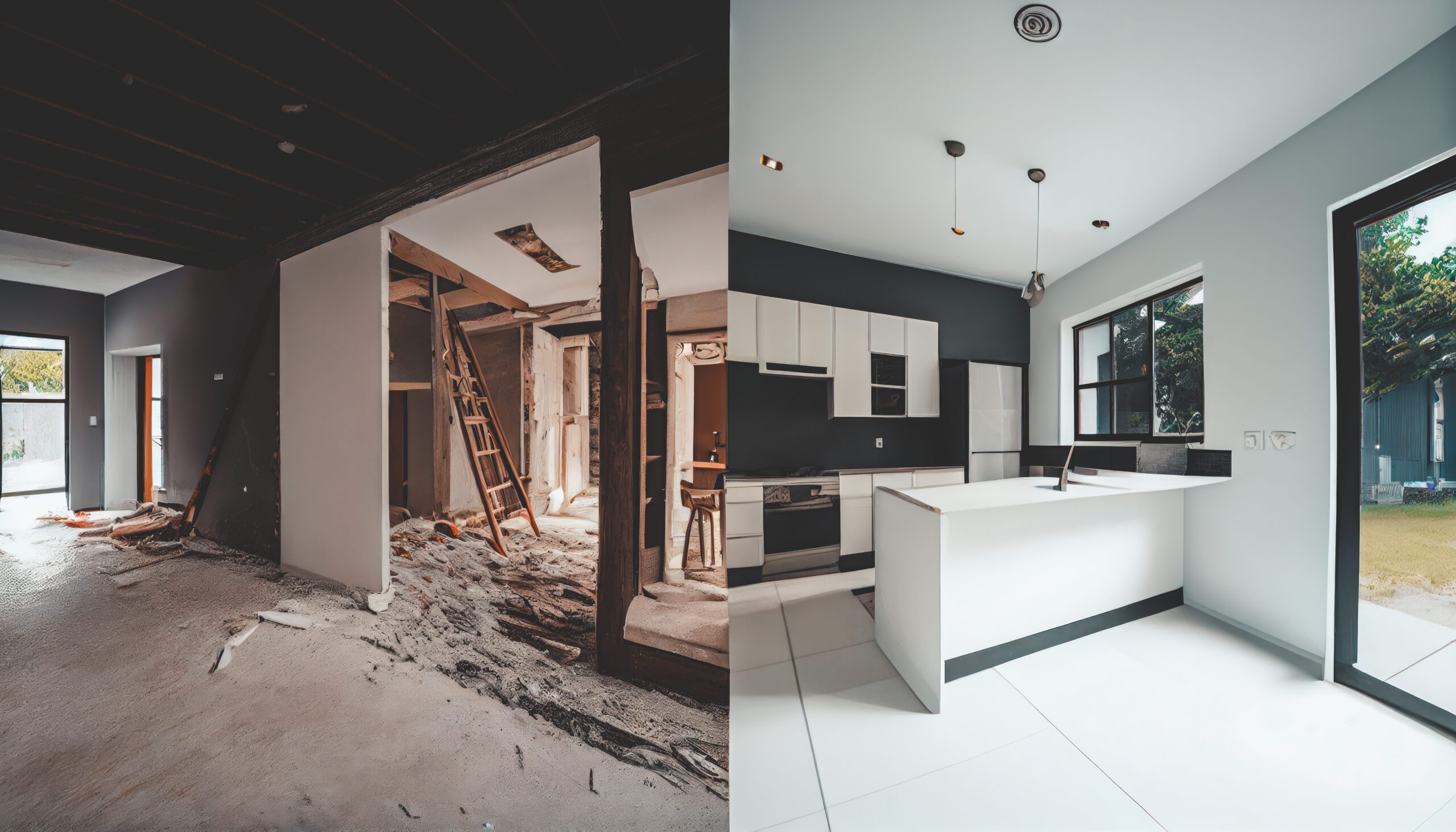
For first-time buyers and growing families alike, the question of whether to remodel an older home or invest in a newly built home is one of the most consequential decisions in the homeownership journey. On the surface, purchasing an older property and updating it seems like a budget-friendly path forward. But when you dig into the real numbers, the timeline realities, and the long-term outcomes, new construction homes consistently deliver more value, more peace of mind, and a better overall experience.
This guide breaks down the honest comparison between remodeling an existing home and building new so you can make the most informed decision for your family, your finances, and your future.
The True Cost of Remodeling vs. Building New
Why Renovation Budgets Rarely Stay on Track
One of the most persistent myths in real estate is that remodeling an older home is always the more affordable option. The reality is far more complicated. The renovation industry has seen a dramatic rise in costs over the past decade, with material prices, labor rates, and supply chain delays pushing project budgets well beyond initial estimates. What begins as a manageable remodel can quickly spiral into an expensive, open-ended commitment.
Hidden conditions are the biggest culprit. Once walls open up and floors come out, contractors frequently discover outdated electrical wiring, aging plumbing, insufficient insulation, or structural issues that were impossible to detect during an initial walkthrough. Each discovery adds cost, extends the timeline, and erodes the budget cushion buyers thought they had set aside. A project quoted at $300,000 can realistically land at $500,000 or more by the time all the surprises are addressed.
The Predictable Pricing Advantage of New Construction
New construction homes offer something that remodeling projects rarely can: predictable, transparent pricing from day one. When you work with an experienced custom home builder, costs are established upfront based on detailed plans, confirmed material selections, and a clear scope of work. There are no hidden walls to open, no aging systems to discover, and no structural surprises waiting beneath the surface.
This pricing clarity is especially valuable for first-time buyers who are managing a mortgage, moving costs, and the financial transition into homeownership. Knowing exactly what you will spend, and having that commitment backed by a reputable builder, removes one of the most stressful variables from the entire process. To learn more about what goes into the planning stage, visit our guide on what is included in custom home building plans.
Design Freedom: Starting Fresh vs. Working Around Limitations
The Structural Constraints of Older Homes
Remodeling an existing home means negotiating with the bones of a structure that was designed for a different era and a different way of living. Load-bearing walls, outdated room proportions, low ceiling heights, and awkward traffic flow patterns are not cosmetic problems. They are deeply embedded in the architecture of the home, and addressing them requires significant structural work that adds cost and complexity far beyond what most buyers anticipate.
The result is compromise. That open-concept kitchen you envisioned may not be achievable without removing a load-bearing wall and re-engineering the floor above it. The 10-foot ceilings you love in new homes simply cannot be added to a structure built with 8-foot ceiling joists. Remodeling often delivers 70 to 80 percent of a buyer’s vision while consuming 90 percent of a new construction budget.
Building New Means Building Around You
A newly built home begins with a blank canvas. Every room dimension, ceiling height, window placement, and layout decision is made with your lifestyle in mind rather than inherited from a previous owner’s choices. Modern new construction homes are designed with open floor plans, natural light optimization, and functional flow that reflects the way people actually live today.
For first-time buyers who have spent years imagining what their ideal home looks like, this level of design freedom is transformative. You are not adapting your life to fit the house. The house is built to fit your life. Explore the top design features custom home builders are incorporating in 2025 to see what is possible with new construction today.
Energy Efficiency and Modern Building Standards
The Hidden Expense of Older Home Systems
Existing homes, particularly those built before the 1990s, were constructed to energy standards that bear little resemblance to what is required today. Aging HVAC systems, single-pane windows, minimal insulation, and outdated water heaters create utility bills that are significantly higher than what a comparable new construction home would produce. Upgrading these systems during a remodel is possible, but the process is disruptive, expensive, and rarely as efficient as integrating modern systems from the ground up.
Buyers who purchase older homes with plans to upgrade them over time often find that the costs accumulate faster than expected. A new roof, updated electrical panel, replaced HVAC system, and improved insulation can easily add another $80,000 to $150,000 on top of the original purchase and renovation budget.
New Construction Homes Are Built for Efficiency From Day One
Best built homes are designed to meet or exceed current energy codes, incorporating high-performance insulation, energy-efficient windows, modern HVAC systems, and smart home technology as standard features rather than expensive add-ons. The result is a home that costs less to operate month after month, year after year.
For first-time buyers who are carefully managing their monthly expenses, this ongoing savings is significant. Lower utility bills, reduced maintenance costs, and fewer unexpected repair expenses create breathing room in the household budget that older homes simply cannot match. Oregon builders committed to sustainable construction practices take this even further, as outlined in our article on Oregon home builders and sustainable construction.
Timeline and Quality of Life During the Process
The Disruption Reality of Major Remodeling
One of the most underestimated challenges of remodeling an older home is the impact on daily life during construction. Major renovation projects are loud, dusty, and disruptive. Kitchens become inaccessible for weeks at a time. Bathrooms are taken offline. Contractors move through your home daily while you are trying to work, cook, and maintain some sense of normalcy.
For buyers moving into a home with the intention of remodeling, this often means living in an active construction zone for months. Timelines regularly extend due to permit delays, material backorders, subcontractor scheduling conflicts, and the cascading effect of discovered hidden conditions. A six-month remodel becoming a twelve-month project is not the exception. It is a common outcome.
A Cleaner Path to Move-In Day
Purchasing a newly built home means moving into a finished, complete space on a defined date. There are no contractors to coordinate, no dust to manage, no temporary inconveniences to endure. Everything is new, clean, under warranty, and ready for your family from the moment you receive the keys.
This cleaner path to homeownership is especially meaningful for first-time buyers who are managing a rental lease, coordinating a move, and adjusting to the financial responsibilities of owning a home for the first time. Eliminating the chaos of a simultaneous renovation removes an enormous amount of stress from an already significant life transition. You can learn more about what the new construction journey looks like from start to finish at the journey of building your custom home from concept to reality.
Warranties, Safety, and Peace of Mind
What You Inherit With an Older Home
When you purchase an existing home, you inherit every decision the previous owners made, including the ones that were shortcuts. Aging roofs, older foundations, outdated electrical panels, and plumbing that has been patched repeatedly over decades all come with the property. Home inspections reveal many of these issues, but not all of them, and buyers are frequently surprised by problems that emerge in the first year of ownership.
The financial exposure from these inherited conditions can be significant. A failed water heater, a roof that needs immediate replacement, or an electrical panel that does not meet modern safety codes can cost tens of thousands of dollars at a time when buyers have already stretched their budgets to purchase the home.
New Construction Comes With Comprehensive Warranty Protection
New construction homes come backed by builder warranties that cover workmanship, systems, and structural components for defined periods. This warranty protection provides first-time buyers with a financial safety net that existing homes cannot offer. If something fails within the warranty period, it is the builder’s responsibility to address it, not the homeowner’s.
Beyond warranty coverage, new construction homes are built to current safety codes, including updated electrical standards, modern fire safety requirements, and structural specifications designed for today’s materials and building science. Buyers move in knowing their home meets the highest current standards, not the standards of thirty or forty years ago.
Long-Term Value and Appreciation
The Compounding Costs of an Aging Property
The financial case for remodeling an existing home often rests on the assumption that renovation costs will be recovered through increased property value. In practice, this equation rarely works out as cleanly as buyers hope. Nationally, renovation projects average only 60 to 75 percent return on investment, meaning a significant portion of what is spent on remodeling is not recovered at resale.
Additionally, the ongoing maintenance costs of an older home continue even after a major renovation. Systems that were not replaced during the remodel continue to age. Components that seemed acceptable at the time of purchase eventually require attention. The financial demands of an older property do not stop after the initial renovation budget is spent.
New Construction Homes Deliver Stronger Long-Term Value
Newly built homes in desirable locations tend to appreciate strongly, particularly when they are constructed by award-winning builders with reputations for quality. Buyers benefit from starting with a home at the top of its condition curve rather than the bottom, giving the property the maximum runway for appreciation before major systems need replacement.
The combination of lower maintenance costs, reduced utility expenses, and strong resale appeal makes new construction a financially sound choice for first-time buyers who are thinking beyond the purchase price and considering the total cost of ownership over a decade or more. For buyers evaluating where to build in the Portland area, our article on the best custom home builders in Portland as an investment provides additional context.
Why Hire Renaissance Homes to Build Your Dream Custom Home
Choosing new construction over remodeling is the first smart decision. Choosing the right builder to bring that home to life is the second. Locally owned and operated for over four decades, Renaissance Homes is the custom luxury home builder trusted by the area’s most discerning buyers. We are proud to offer the highest quality, most seamless home building experience, as the most awarded builder in Street of Dreams history.
As the best custom luxury home builder in the region, Renaissance Homes transforms dreams into reality. With premium products hand-selected by our award-winning design team, every custom built home design reflects our commitment to excellence. Our custom home building process ensures attention to every detail, while our custom luxury home plans are tailored to your unique vision. When you choose our custom home builder services, you are investing in a work of art and a celebration of craftsmanship.
For first-time buyers ready to experience the full advantages of new construction, Renaissance Homes offers an unmatched combination of expertise, transparency, and proven results. Explore our custom homes or contact our team to begin your journey toward a home built exactly the way you want it.
Frequently Asked Questions
Is it always more expensive to build a new home than to remodel an existing one?
Not necessarily. When you factor in the full cost of a major remodel, including hidden conditions, structural modifications, system upgrades, and permit fees, the gap between remodeling and new construction often narrows significantly. Many buyers find that new construction delivers a complete, move-in ready home at a comparable or more predictable total cost than a heavily renovated older property.
How long does it take to build a new home compared to completing a major remodel? New construction timelines typically range from 10 to 18 months depending on the complexity of the design and local permitting processes. Major remodels can take anywhere from 6 to 12 months, but are significantly more prone to delays caused by hidden conditions, subcontractor availability, and cascading scope changes. New construction timelines, while longer upfront, tend to be more reliable and predictable.
What are the biggest risks of buying and remodeling an older home?
The most significant risks include undiscovered structural issues, outdated electrical or plumbing systems that require full replacement, asbestos or lead paint in homes built before 1980, and budget overruns caused by scope creep and hidden conditions. These risks are largely eliminated with new construction, where everything is built to current code with full visibility into costs and materials.
Do newly built homes hold their value better than remodeled older homes?
New construction homes built by reputable builders in desirable locations tend to perform strongly at resale. They benefit from modern layouts, energy-efficient systems, and current design standards that appeal to future buyers. Remodeled homes can appreciate as well, but ongoing maintenance demands and the eventual aging of non-renovated components can affect long-term value.
Can I customize a newly built home to match my personal style?
Yes, and this is one of the most significant advantages of new construction. Working with a custom home builder allows you to select layouts, finishes, fixtures, and features that reflect your personal preferences from the ground up. Rather than inheriting someone else’s design decisions, you shape the home around your lifestyle before a single foundation is poured.