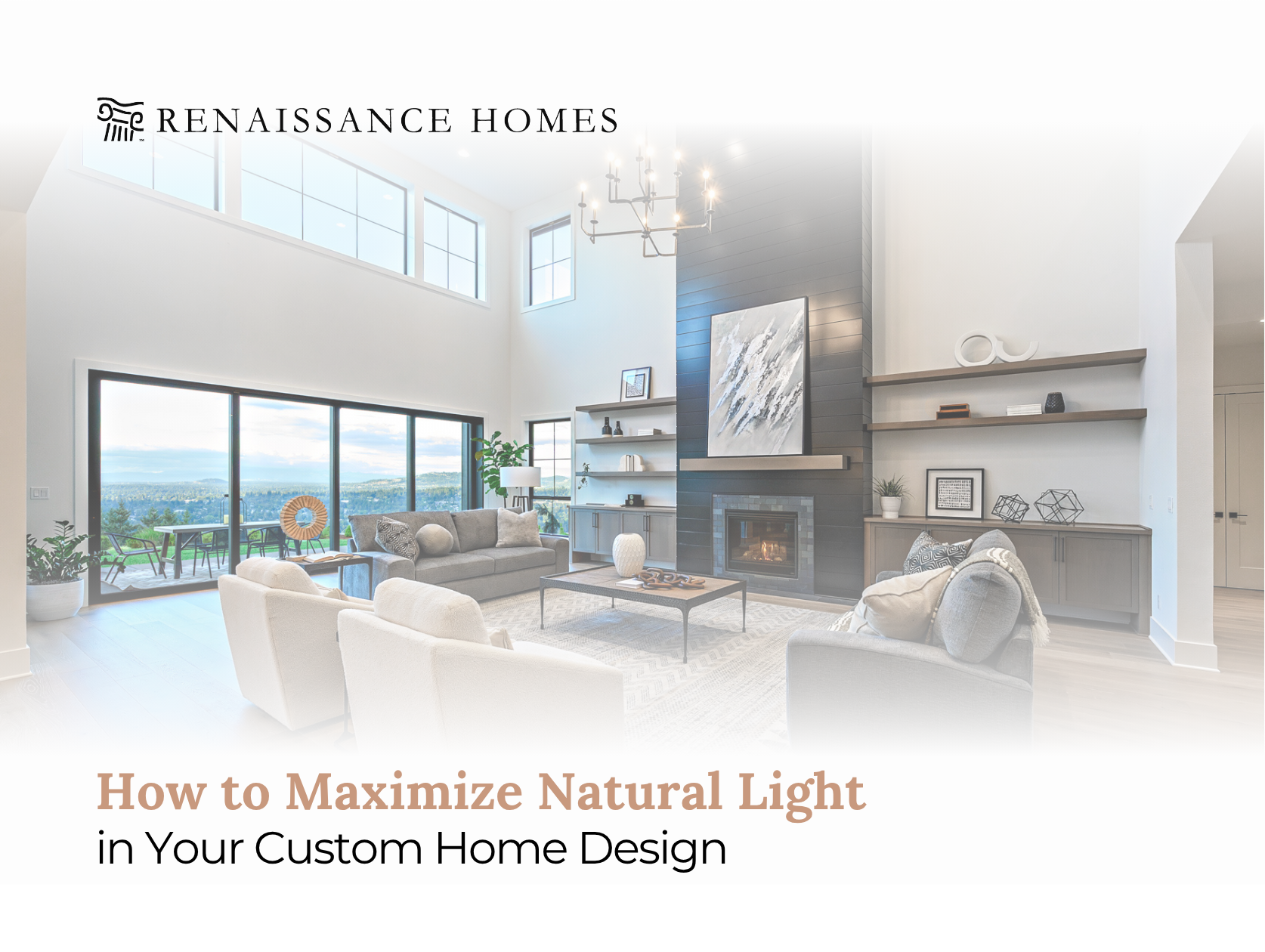
Natural light transforms houses into homes, creating spaces that feel alive, healthy, and connected to the rhythms of the day. The strategic incorporation of daylight into your residence affects everything from mood and productivity to energy efficiency and visual appeal. Understanding how to maximize illumination from the sun represents one of the most impactful decisions in custom home planning, influencing both daily comfort and long-term satisfaction with your living environment.
The Benefits of Natural Light
Health and Wellbeing
Exposure to natural light regulates circadian rhythms, improving sleep quality and overall health. Daylight supports vitamin D production, enhances mood, and reduces symptoms of seasonal affective disorder. Homes filled with sunshine simply feel better, creating environments where occupants naturally feel more energized and positive.
Research consistently demonstrates that natural light improves concentration, reduces eye strain, and increases productivity. These benefits prove particularly valuable in home offices and study areas where cognitive performance matters. Children benefit from daylight exposure through better sleep patterns and improved academic performance.
Energy Efficiency and Sustainability
Maximizing natural light reduces reliance on artificial illumination, lowering electricity consumption and utility costs. While lighting represents a relatively small portion of overall energy use, the psychological benefits of daylight-filled spaces reduce heating demands by making spaces feel warmer and more comfortable at lower thermostat settings.
Strategic window placement captures passive solar heating during winter months while appropriate shading prevents overheating in summer. This balanced approach to natural light home design contributes to overall building performance, creating comfortable environments with minimal mechanical system operation. The cumulative energy savings over decades of homeownership justify thoughtful planning during initial design phases.
Aesthetic Appeal and Home Value
Bright, naturally lit spaces photograph beautifully and create immediate positive impressions. Real estate professionals consistently note that homes with abundant natural light sell faster and command premium prices. The investment in features maximizing daylight pays tangible returns through enhanced market value and buyer appeal.
Beyond resale considerations, living in light-filled spaces simply proves more enjoyable. Natural light reveals true colors, textures, and details throughout your home, showcasing quality materials and craftsmanship. The dynamic quality of daylight changing throughout days and seasons creates visual interest that artificial lighting cannot replicate.
Window Placement Strategies
Strategic Orientation
Window orientation dramatically affects both light quantity and quality throughout your home. South-facing windows capture maximum sunlight in northern hemisphere locations, providing consistent illumination and winter solar heating. East-facing openings welcome morning sun, ideal for kitchens and breakfast areas where families gather to start their days.
West-facing windows deliver afternoon and evening light but require careful consideration of potential glare and heat gain. North-facing windows provide consistent, diffused illumination without direct sun exposure, making them excellent for art studios, offices, and spaces requiring even lighting throughout days. Understanding these orientation characteristics allows strategic window placement maximizing benefits while minimizing challenges.
Thoughtful Window Sizing
Larger windows admit more light but require balancing multiple considerations including energy performance, privacy, and architectural proportion. Floor-to-ceiling glazing creates dramatic light-filled spaces with strong indoor-outdoor connections. These expansive openings work particularly well in living areas and primary suites where views and light quality matter most.
Multiple smaller windows sometimes provide better illumination distribution than single large openings. Paired or grouped windows create balanced light while maintaining wall space for furniture placement and artwork. The key lies in thoughtful sizing that serves specific room functions while contributing to overall home character and performance.
Window Height Considerations
Window head heights affect light penetration depth into rooms. Standard height windows illuminate areas near openings but leave distant corners dim. Extending windows closer to ceilings allows light to travel farther into spaces, bouncing off ceiling surfaces to create even illumination throughout rooms.
Transom windows above doors and standard windows extend glazing height without compromising privacy or furniture placement. These upper openings capture high sun angles, particularly valuable on south facades where summer sun rises high overhead. The additional glazing area significantly increases natural light without requiring dramatic architectural changes.
For comprehensive approaches to incorporating natural light into overall design strategies, exploring top design features custom home builders incorporate provides valuable context about how daylight planning integrates with other premium design elements.
Architectural Features for Natural Light
Skylights and Roof Windows
Skylights admit significantly more light than vertical windows of equivalent size due to their orientation toward open sky rather than obstructed horizons. Strategic skylight placement transforms dark interior rooms, hallways, and bathrooms into bright, pleasant spaces. Modern skylights incorporate advanced glazing technologies that admit light while blocking excessive heat gain and UV radiation.
Operable skylights provide ventilation alongside illumination, allowing hot air to escape from upper levels while drawing cooler air through lower openings. Remote-controlled models offer convenience while rain sensors automatically close units when moisture is detected. These features transform skylights from simple light sources into sophisticated environmental control elements.
Clerestory Windows
Clerestory windows positioned high on walls near ceiling lines capture sunlight above surrounding structures and landscape features. These elevated openings provide privacy while flooding interiors with natural light. The high placement allows light to wash down walls, creating bright surfaces that reflect illumination throughout spaces.
Clerestory designs work particularly well in open-plan areas where they provide consistent daylight without compromising privacy or furniture placement along perimeter walls. The architectural character created by clerestory windows adds visual interest while serving practical illumination purposes. Careful orientation ensures these windows capture desired sun angles throughout days and seasons.
Light Wells and Atriums
Multi-story light wells or atriums bring daylight deep into home centers where conventional windows cannot reach. These vertical spaces topped with glass roofs or large windows illuminate adjacent rooms on multiple levels. Interior spaces surrounding light wells feel remarkably bright despite lacking direct exterior exposure.
Light wells create dramatic architectural features while solving practical illumination challenges in larger homes where deep floor plates would otherwise leave central areas dark. The vertical nature of these spaces encourages natural ventilation as warm air rises through the well, drawing fresh air through lower openings. This stack effect contributes to both lighting and natural cooling strategies.
Glass Block and Translucent Panels
Glass block walls admit abundant light while maintaining privacy, making them ideal for bathrooms, entries, and other areas requiring both illumination and discretion. Modern glass block products offer improved insulation performance compared to historical versions. Various patterns and textures control light diffusion and visual transparency based on specific needs.
Translucent panels including frosted glass, polycarbonate, and specialty glazing materials provide similar benefits in contemporary architectural vocabularies. These materials work well as interior partitions, allowing light to flow between spaces while maintaining spatial definition. The privacy benefits prevent these light-transmitting materials from feeling exposed or compromising function.
Open Floor Plans for Light Distribution
Connected Living Spaces
Open floor plans connecting kitchens, dining areas, and living spaces allow light from perimeter windows to penetrate throughout combined areas. Removing interior walls eliminates shadows and dark corridors, creating bright environments where daylight reaches every corner. The visual openness amplifies the sense of spaciousness created by natural light.
Strategic furniture placement and partial-height dividers define distinct zones within open plans without blocking light transmission. Kitchen islands, bookcases, and architectural columns provide spatial definition while maintaining sight lines and light flow. This balance preserves open plan benefits while addressing needs for some degree of functional separation.
Visual Connections Between Levels
Two-story spaces with upper-level windows or glazed areas overlooking main floors distribute light vertically throughout homes. These connections allow daylight captured at upper levels to illuminate ground-floor spaces, dramatically increasing effective window area. The architectural drama of two-story volumes enhances the light-amplifying effects through dynamic spatial experiences.
Interior balconies or bridges with glass or cable railings maintain visual transparency between levels, allowing light to pass through rather than being blocked by solid barriers. Stair designs with open risers and glass panels preserve light flow between floors. These transparency strategies maximize return on window investments by allowing single openings to illuminate multiple spaces.
Minimizing Interior Obstructions
Every interior wall, full-height cabinet, and solid partition blocks natural light from reaching deeper into floor plans. Minimizing these obstructions during initial design proves far easier than trying to brighten inherently dark layouts. Consider whether walls truly need to extend full height or if partial partitions, glass inserts, or open shelving achieves desired separation while preserving light flow.
Built-in cabinetry positioned on interior walls rather than beneath windows preserves perimeter glazing for maximum light admission. Kitchen upper cabinets replaced with open shelving or glass-front units prevent blocking window areas while maintaining storage. These thoughtful decisions throughout homes cumulatively create significantly brighter environments.
Interior Colors and Finishes
Light-Reflecting Paint Colors
Paint color selection dramatically affects how natural light behaves within spaces. Light colors reflect illumination, amplifying available daylight and making rooms feel brighter and more spacious. Pure white reflects approximately 80% of light, while deep colors may reflect less than 10%, substantially reducing effective light levels.
Warm whites and soft neutral tones reflect light while adding subtle character that pure white sometimes lacks. These nuanced colors prevent clinical feelings while maintaining light-amplifying benefits. Consider how colors appear in your specific lighting conditions, as north light versus south light significantly affects color perception. Test samples in actual spaces before committing to final selections.
Ceiling Treatments
Light-colored ceilings reflect daylight downward, bouncing illumination throughout rooms. Many designers suggest ceiling paint slightly lighter than wall colors, creating subtle gradations that feel natural while maximizing light reflection. High-gloss or semi-gloss ceiling finishes reflect more light than flat paints but may show imperfections more readily.
Wood ceiling treatments in lighter species or finishes provide visual interest while maintaining reasonable reflectivity. Avoid dark wood ceilings that absorb rather than reflect light unless intentionally creating intimate, cozy spaces. The ceiling represents your home’s largest horizontal surface, making its light-reflecting properties particularly important.
Flooring Choices
Light-colored flooring bounces illumination upward, contributing to overall room brightness. Natural light washes across floors, and reflective surfaces redirect this energy throughout spaces. Lighter wood species, pale stone, or light-colored tile maximize this reflective effect while maintaining natural material beauty.
However, purely practical considerations sometimes suggest darker flooring that shows less wear and dirt. In these cases, ensure walls and ceilings provide adequate reflection to maintain desired brightness. Area rugs in lighter colors placed strategically capture and reflect light in high-traffic zones while protecting flooring underneath.
Maximizing Light in Specific Rooms
Kitchen Design for Natural Light
Kitchens benefit immensely from abundant natural light that makes food preparation safer and more pleasant while showcasing finishes and materials. Eliminate upper cabinets along exterior walls where possible, replacing them with windows that admit daylight while providing views. Open shelving or glass-front cabinets on perimeter walls preserve storage while allowing light transmission.
Large islands with pendant lighting supplement natural illumination without blocking window areas. Reflective backsplash materials including glass tile or polished stone amplify available light. Under-cabinet lighting bridges gaps when natural light proves insufficient, particularly during evening meal preparation.
Bathroom Natural Lighting
Bathrooms traditionally located on interior walls away from windows benefit dramatically from skylights or light tubes bringing daylight into these frequently used spaces. When bathrooms occupy exterior walls, frosted or textured glass windows admit light while preserving privacy. Strategic window placement high on walls or in shower enclosures brings daylight without compromising function.
Light-colored tile, quartz countertops, and bright paint colors reflect available illumination. Large mirrors double apparent light by reflecting both natural and artificial sources. These reflective surfaces create bright, pleasant environments for grooming and personal care activities.
Home Office Lighting
Home offices require careful natural light planning balancing adequate illumination against screen glare and harsh shadows. Position desks perpendicular to windows rather than directly facing or backing them to minimize glare while maintaining good light levels. Adjustable window treatments control brightness without completely blocking beneficial daylight.
Multiple windows on different walls provide balanced illumination throughout days as sun positions shift. North-facing windows offer consistent light without direct glare, making them ideal for computer work and detailed tasks requiring accurate color perception and visual comfort.
Bedroom Considerations
Bedrooms benefit from ample natural light during waking hours while requiring effective light control for sleep. Large windows with high-quality blackout treatments provide this flexibility. East-facing windows welcome morning sun that aids natural waking, while western exposures sometimes cause uncomfortable evening heat and glare.
Primary suites deserve particular attention to natural light planning, as these spaces see daily use during morning preparation routines when good illumination matters most. Generous windows, potential skylights, and connection to private outdoor spaces create resort-like environments that transform daily routines into pleasure.
Understanding comprehensive approaches to room-by-room planning becomes clearer when reviewing custom home builder tips for choosing the right floor plan, which explores how individual spaces contribute to overall home functionality including natural lighting strategies.
Glass Doors and Window Walls
Sliding Glass Door Systems
Large sliding glass doors erase boundaries between indoor and outdoor spaces while flooding interiors with natural light. Modern multi-panel systems with minimal frames maximize glazing area, admitting extraordinary amounts of daylight. These dramatic openings transform rooms adjacent to outdoor spaces, creating seamless transitions that amplify the sense of space and connection to surroundings.
Pocket door systems that disappear into walls when open create complete opening between spaces, literally removing barriers between indoors and out. The flexibility to close these systems during weather extremes or for climate control maintains comfort while preserving visual connections and natural light transmission.
French Doors and Transoms
Traditional French doors provide classic elegance while admitting substantial natural light. Paired with transom windows above, these systems maximize glazing within traditional proportions. The divided light patterns create architectural character while maintaining transparency that floods adjacent rooms with daylight.
Interior French doors between rooms allow light to travel through multiple spaces when doors remain open or include glass panels. This transparency extends effective window reach beyond single rooms, distributing daylight more evenly throughout homes. The visual connections created also make spaces feel more open and connected.
Window Walls and Corner Windows
Floor-to-ceiling window walls create dramatic light-filled spaces with powerful architectural presence. These systems work particularly well in rooms with compelling views or where maximizing indoor-outdoor connection justifies the investment. Advanced glazing technologies ensure these expansive openings perform efficiently despite large surface areas.
Corner windows wrapping two facades admit light from multiple orientations, creating bright spaces with interesting angular illumination. The absence of corner posts creates clean modern aesthetics while allowing unobstructed views. These sophisticated systems require careful structural engineering but deliver remarkable visual and lighting results.
Reflective Surfaces and Materials
Mirrors and Reflective Finishes
Strategically placed mirrors amplify natural light by reflecting it deeper into rooms and bouncing illumination into darker corners. Large mirrors opposite windows effectively double apparent window area, significantly brightening spaces. Mirrored surfaces on closet doors, backsplashes, or decorative elements contribute similar benefits while serving other functions.
Polished materials including glossy tile, lacquered furniture, and metallic finishes catch and reflect light throughout spaces. These highlights create visual interest while enhancing brightness. However, balance reflective surfaces with matte elements to prevent overwhelming glare or harsh lighting conditions.
Glass and Transparent Materials
Glass table tops, acrylic furniture, and transparent decorative elements allow light to pass through rather than being blocked, maintaining visual openness while serving practical purposes. These materials prove particularly valuable in smaller spaces where substantial furniture might otherwise create shadows and visual weight.
Interior glass partitions separate spaces functionally while allowing light transmission. Frosted, textured, or patterned glass provides varying degrees of privacy while maintaining transparency to light. These materials create definition without the darkness of solid walls.
Polished and Light-Colored Stone
Natural stone in lighter colors and polished finishes reflects substantial amounts of light while adding luxury and permanence. Marble, light granite, and pale limestone create bright surfaces for countertops, flooring, and architectural features. The natural variations and depth within stone prevent these light colors from appearing flat or sterile.
Quartz surfaces engineered with light colors and subtle patterns provide similar reflective benefits with lower maintenance requirements. These materials work particularly well in kitchens and bathrooms where bright, clean surfaces enhance functionality while contributing to overall home brightness.
Window Treatments for Light Control
Balancing Light and Privacy
Window treatments must balance competing needs for natural light, privacy, temperature control, and aesthetic appeal. Sheer fabrics filter harsh direct sunlight while maintaining privacy and allowing soft diffused light to fill rooms. Layered treatments combining sheers with opaque panels or shades provide flexibility for different conditions and times of day.
Top-down, bottom-up shades allow natural light through upper portions while maintaining privacy at eye level. This flexibility proves particularly valuable in bedrooms and bathrooms where both light and privacy matter. The ability to adjust exactly how much of each window opens or closes provides precise control over lighting conditions.
Light-Preserving Options
When privacy or light control is required, choose treatments allowing maximum light transmission while serving their intended purposes. Light-colored fabrics reflect daylight into rooms rather than absorbing it. Cellular shades in translucent fabrics diffuse harsh sunlight while maintaining bright interior conditions.
Motorized shades programmed to adjust automatically based on sun position optimize natural light throughout days without requiring constant manual adjustment. These systems open automatically in mornings, adjust for harsh afternoon sun, and close at dusk or for privacy. The convenience encourages actually using controls rather than leaving windows constantly covered.
Landscape and Site Considerations
Strategic Tree Placement
Landscape planning significantly affects natural light levels within homes. Deciduous trees placed south and west of homes provide summer shade that reduces cooling loads while allowing winter sun to reach windows after leaves fall. This passive solar control reduces energy consumption while maintaining comfortable interior conditions year-round.
However, trees positioned too close to windows or on north elevations block beneficial daylight without providing meaningful shade benefits. Understand mature size and canopy spread when planning landscape features, ensuring they complement rather than compromise interior lighting. Trimming lower branches maintains views and light while preserving trees’ environmental and aesthetic contributions.
Hardscape and Reflective Surfaces
Light-colored paving, walls, and landscape features near windows bounce additional light into homes. These surfaces capture direct sunlight and redirect it toward building facades and through windows. The cumulative effect of reflective landscape elements noticeably increases interior brightness, particularly on lower levels and in rooms facing courtyards or patios.
Water features including pools, fountains, or ponds create dynamic reflections that dance across ceilings and walls, adding visual interest while contributing brightness. The movement and sparkle from reflected water creates engaging light qualities impossible to replicate with static surfaces.
Site Orientation and Building Placement
Before finalizing floor plans, carefully consider site-specific conditions affecting natural light. Surrounding structures, topography, and vegetation all impact available daylight. Position homes to maximize south-facing exposures while considering views, privacy, and outdoor space relationships.
Sloped sites offer opportunities for walkout basements with full window walls, transforming typically dark lower levels into bright usable spaces. Understanding how site conditions affect light availability informs architectural responses that maximize your property’s specific opportunities and overcome inherent challenges.
For comprehensive understanding of how natural light planning integrates with overall design approaches, reviewing what’s included in custom home building plans clarifies how daylight strategies coordinate with structural, mechanical, and architectural systems.
Advanced Glazing Technologies
Low-E Coatings and Performance Glass
Modern glazing technologies dramatically improve window performance without compromising light transmission. Low-emissivity (Low-E) coatings reflect infrared radiation while allowing visible light to pass through, reducing heat transfer in both directions. This technology maintains bright interiors while improving energy efficiency compared to clear glass.
Spectrally selective coatings fine-tune which wavelengths transmit through glass, blocking heat-generating infrared and damaging ultraviolet radiation while admitting maximum visible light. These advanced products allow large windows in challenging orientations without excessive heat gain or fading concerns. The result is naturally bright homes with minimal energy and maintenance penalties.
Dynamic Glass and Smart Windows
Electrochromic glass tints on demand, providing glare control and solar heat management without physical shades or blinds. These systems maintain views and natural light while preventing uncomfortable glare and excessive heat gain during peak sun conditions. Automated controls adjust tinting based on sun position and intensity, optimizing comfort without user intervention.
While currently expensive, dynamic glass prices continue declining as production scales increase. Specifying infrastructure supporting future installation allows adding this technology later when costs become more accessible. The clean aesthetic and sophisticated control these systems offer justify consideration in luxury custom homes.
Triple-Pane Glazing
Triple-pane windows provide superior insulation performance while maintaining excellent light transmission. The additional pane with two insulating spaces reduces heat transfer more effectively than double-pane units. Modern triple-pane products achieve performance levels that would have been impossible just years ago while remaining relatively thin and light.
In cold climates, triple-pane windows maintain warmer interior glass surface temperatures that improve comfort near windows and reduce condensation risk. This allows larger windows without drafts or cold zones, maximizing natural light while maintaining comfort throughout winter months.
Light Tubes and Solar Tubes
How Light Tubes Work
Light tubes or solar tubes capture sunlight through small roof-mounted domes and transmit it through highly reflective tubes to diffuser fixtures in rooms below. These systems bring natural light to interior spaces where conventional windows or skylights prove impractical due to roof structure, multiple levels, or other constraints.
The small roof penetrations minimize installation complexity and weather risk compared to conventional skylights. Modern light tubes incorporate features including integral fans for ventilation, integrated electric lights for nighttime use, and dampers allowing closure when desired. These multifunctional systems provide remarkable value for relatively modest investment.
Strategic Placement
Light tubes work particularly well illuminating hallways, closets, interior bathrooms, and other utilitarian spaces that traditionally remain dark. The diffused light from tube fixtures creates even illumination without harsh shadows or bright spots. Multiple small fixtures often provide better light distribution than fewer larger skylights.
Consider light tubes during initial design rather than as afterthoughts. Planning tube runs with minimal bends and appropriate lengths maintains efficiency while routing around structural members and ductwork. The coordination required between architectural, structural, and mechanical systems makes early planning essential for optimal results.
Color Temperature and Light Quality
Understanding Daylight Characteristics
Natural light color temperature varies throughout days and seasons, ranging from warm reddish tones at sunrise and sunset to cool bluish midday light. This variation creates dynamic interior experiences impossible with static artificial lighting. Rooms with multiple window orientations experience more varied light quality than single-exposure spaces.
North light remains relatively consistent and cool throughout days, making it favored for art studios and spaces requiring color accuracy. South light varies dramatically with sun height, creating warm morning and evening illumination with cooler midday tones. Understanding these characteristics informs room placement decisions for specific activities and preferences.
Complementing Natural Light with Artificial
Artificial lighting design should complement rather than compete with natural light. Layered lighting systems including ambient, task, and accent sources provide appropriate illumination as daylight fades while maintaining design aesthetic established by natural light. Dimming controls allow artificial lights to gradually increase as daylight decreases, creating smooth transitions.
Color temperature selection for artificial sources affects how they blend with natural daylight. Warmer temperatures (2700K-3000K) create cozy evening ambiance as daylight fades. Cooler temperatures (3500K-4100K) more closely match daylight, creating better continuity during transitional periods. The specific choices depend on desired mood and how spaces will be used during different times.
Avoiding Common Mistakes
Over-Glazing Issues
More windows do not automatically create better-lit homes. Excessive glazing without proper orientation, shading, and heat management creates uncomfortable glare, excessive heat gain or loss, and difficult light control. Strategic window placement based on sun angles and room functions proves more effective than simply maximizing glass area.
Consider privacy, furnishing, and artwork needs when planning window locations and sizes. Rooms with windows on every wall sometimes lack adequate wall space for furniture placement or art display. Balance natural light goals with other functional requirements for truly livable spaces.
Ignoring Heat Gain and Glare
Large west-facing windows admit beautiful afternoon light but can create uncomfortable glare and excessive heat gain that overwhelms cooling systems. Understanding orientation-specific challenges allows designing appropriate responses including exterior shading, advanced glazing, or limiting window size on problematic facades.
Deep roof overhangs, exterior sunshades, and architectural elements that cast shadows protect windows from unwanted direct sun while allowing diffused daylight to enter. These passive strategies cost less to operate than mechanical cooling managing heat gain from poorly planned glazing.
Neglecting Privacy Considerations
Maximizing natural light sometimes conflicts with privacy needs, particularly in densely developed areas with nearby neighbors. Strategic window placement, appropriate glazing types, and thoughtful landscape design maintain natural light while preserving comfortable privacy levels.
Interior spaces including bathrooms, bedrooms, and home offices require particular attention to privacy without sacrificing natural light. Clerestory windows, skylights, frosted glass, and carefully positioned openings solve these challenges, allowing bright interiors without compromised privacy.
Cost Considerations
Budget-Friendly Strategies
Natural light home design need not require luxury budgets. Simple strategies including optimizing standard window sizes, using light interior colors, minimizing interior partitions, and strategic mirror placement dramatically improve brightness at minimal cost. These approaches deliver substantial benefits while maintaining accessibility for various budget levels.
Investment-Grade Features
Premium features including dynamic glass, extensive corner window systems, and custom light wells command significant investment but deliver proportional value through enhanced livability and property value. These elements define luxury homes, creating signature spaces that justify premium construction budgets. For discerning clients building dream homes, these investments create the exceptional environments motivating custom construction.
Long-Term Value Analysis
Energy savings from reduced artificial lighting and passive solar heating offset initial investments in strategic window planning and advanced glazing. Health and wellness benefits, though difficult to quantify financially, represent substantial quality-of-life improvements. Property value enhancement from naturally bright, appealing spaces provides tangible return on investment when selling.
Why Hire Renaissance Homes for Superior Custom Home Craftsmanship
Locally owned and operated for over four decades, Renaissance Homes is the custom luxury home builder trusted by the area’s most discerning buyers. We are proud to offer the highest quality, most seamless home building experience, as the most awarded builder in Street of Dreams history. Our expertise in creating naturally bright, light-filled homes distinguishes our approach to designing residences that enhance daily living through thoughtful attention to daylight.
As the best custom luxury home builder in the region, Renaissance Homes transforms dreams into reality through meticulous attention to how natural light shapes interior environments. With premium products hand-selected by our award-winning design team, every custom built home design reflects our commitment to maximizing daylight through strategic window placement, advanced glazing technologies, and architectural features that capture and distribute illumination beautifully. Our custom homes building process includes comprehensive site analysis and solar studies ensuring your home takes full advantage of available natural light.
When you choose our custom home builder services, you’re investing in expertise refined through decades of creating homes that feel alive with natural light. We understand how orientation, room placement, window sizing, and finish selections work together creating bright, healthy environments where families thrive. Our construction teams bring specialized knowledge about proper window installation, flashing details, and building envelope performance that ensures your glazing performs as intended for decades.
Frequently Asked Questions
How much window area is ideal for natural light?
Industry guidelines suggest window area equaling 15-20% of floor area provides good natural light for most rooms, though optimal amounts vary by room function, orientation, and personal preference. Living areas often benefit from more glazing while bedrooms may need less. Rather than targeting specific percentages, focus on strategic placement ensuring even light distribution throughout spaces. Quality and location matter more than pure quantity.
Do larger windows always provide better natural light?
Larger windows admit more total light but do not automatically create better-lit rooms. Multiple smaller windows strategically placed often provide more even illumination than single large openings. Window height affects how deeply light penetrates rooms, with taller windows providing better distribution than wider low windows. Consider both size and placement together for optimal results balancing light admission with energy performance, privacy, and architectural character.
What are the best window types for maximizing natural light?
Casement and awning windows maximize glass area relative to overall opening size since they lack center rails required by double-hung units. Fixed windows provide even larger unobstructed glass areas but sacrifice ventilation. Picture windows combined with operable flanking units balance maximum light with functional ventilation. Ultimately, the best choice depends on specific room requirements, architectural style, and budget. Premium windows with narrow frames maximize glazing area regardless of operating type.
How do I prevent glare while still getting natural light?
Glare prevention requires multiple strategies including appropriate window orientation avoiding low-angle sun exposure, exterior shading through overhangs or landscaping, light-diffusing window treatments, and strategic window placement relative to activity areas. Multiple smaller windows often create less glare than single large openings. Advanced glazing products reduce glare while maintaining light transmission. The goal is managing rather than eliminating natural light for comfortable, productive environments.
Can I add more natural light to an existing floor plan?
Adding natural light to existing homes proves more challenging than planning for it initially but remains possible through various strategies. Skylights and light tubes bring daylight to interior spaces without affecting floor plans. Replacing solid doors with glass-paneled alternatives allows light transfer between rooms. Converting windows to larger units or adding new openings requires structural modifications best handled during larger renovation projects. Interior changes including lighter colors, mirrors, and reduced partitions improve existing light distribution without construction.