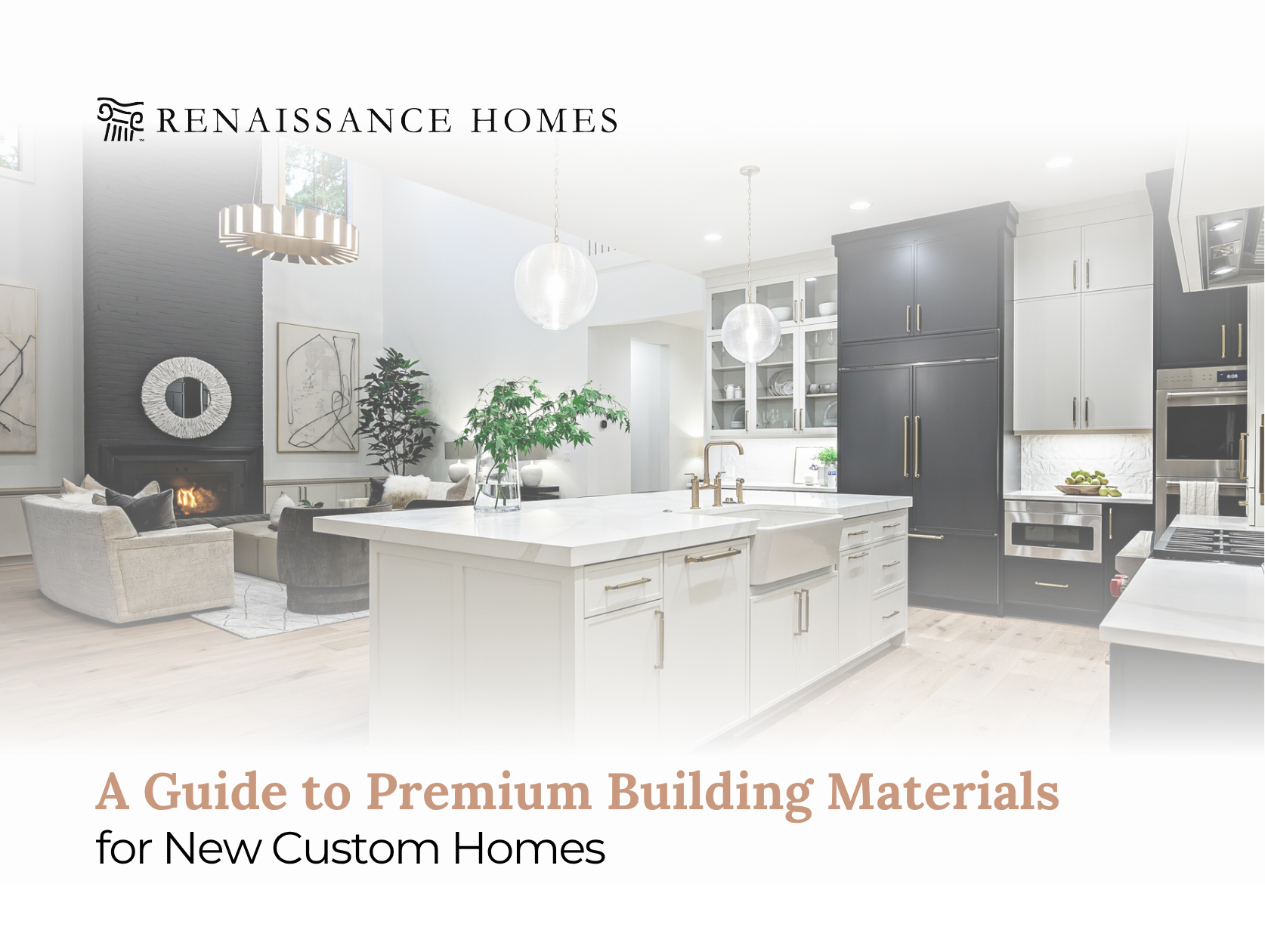
Selecting building materials for new homes represents one of the most impactful decisions in the custom home construction process. These choices influence not only the aesthetic appeal and character of your residence but also its durability, maintenance requirements, energy efficiency, and long-term value. Understanding the options available and their respective benefits empowers homeowners to make informed decisions that align with their vision, lifestyle, and budget.
The Importance of Quality Building Materials
Premium materials form the foundation of homes that stand the test of time. While initial costs may exceed standard alternatives, superior materials typically deliver better performance, require less maintenance, and maintain their appearance longer. This translates to lower lifetime ownership costs and greater enjoyment of your home.
Quality materials also contribute significantly to energy efficiency, indoor air quality, and environmental sustainability. Modern premium products often incorporate advanced technologies that enhance comfort while reducing utility costs and environmental impact. The right material selections create homes that feel luxurious while performing efficiently across decades of use.
Exterior Siding Materials
Natural Wood Siding
Wood siding offers timeless beauty and natural warmth that synthetic alternatives struggle to replicate. Cedar and redwood provide natural resistance to insects and decay, making them popular choices for premium construction. Properly maintained wood siding develops a rich patina over time, adding character and distinction to your home’s exterior.
The versatility of wood allows for various profile options including shingles, clapboard, and board-and-batten applications. Each style creates different visual effects suited to specific architectural designs. While wood requires more maintenance than some alternatives, many homeowners consider the aesthetic rewards worth the additional care.
Fiber Cement Siding
Fiber cement combines durability with design flexibility, offering the appearance of wood, stucco, or masonry without the maintenance challenges. This engineered material resists fire, insects, and rot while withstanding extreme weather conditions. Modern manufacturing techniques produce fiber cement that closely mimics natural materials at lower maintenance requirements.
The dimensional stability of fiber cement prevents warping, splitting, and swelling common with wood products. Factory-applied finishes provide long-lasting color that resists fading, reducing the frequency of repainting. These characteristics make fiber cement an increasingly popular choice for homeowners seeking beauty without ongoing maintenance demands.
Stone and Brick Veneer
Natural stone and brick veneers create substantial, permanent appearances that enhance curb appeal and property value. These materials provide excellent durability, requiring virtually no maintenance beyond occasional cleaning. The thermal mass of stone and brick contributes to energy efficiency by moderating temperature fluctuations.
Regional stone selections create connections to local landscape and architectural traditions. Brick offers a palette of colors and textures achieved through different clays, firing processes, and mortar treatments. Both materials age gracefully, often looking better as they weather over time.
Stucco and EIFS
Traditional stucco systems provide seamless, monolithic surfaces with excellent durability in appropriate climates. Modern synthetic stucco, known as Exterior Insulation and Finish Systems (EIFS), adds insulation value while achieving similar aesthetic results. Both options offer design flexibility through various textures and unlimited color choices.
Proper installation proves critical with stucco and EIFS systems, as water intrusion behind these continuous barriers can cause significant damage. When installed correctly with appropriate moisture management details, these systems provide decades of trouble-free performance with minimal maintenance requirements.
Premium Roofing Materials
Architectural Asphalt Shingles
High-quality architectural shingles offer excellent value, combining attractive appearance with reliable performance. Advanced formulations provide superior wind resistance, impact protection, and extended warranties compared to standard three-tab shingles. Dimensional profiles create shadow lines that add visual interest and depth.
Modern architectural shingles incorporate features like algae resistance and reflective granules that enhance both appearance and performance. Color options range from traditional earth tones to contemporary grays and blacks, accommodating diverse architectural styles. Properly installed architectural shingles typically provide 25 to 50 years of reliable service.
Metal Roofing
Metal roofing delivers exceptional longevity, often lasting 50 years or more with minimal maintenance. Available in standing seam panels or profiles that mimic traditional materials like shingles and tiles, metal roofs suit both modern and traditional architectural styles. The light weight reduces structural loading while maintaining superior strength.
Energy efficiency represents a significant advantage of metal roofing. Reflective finishes reduce cooling costs in warm climates, while snow-shedding characteristics benefit cold-weather locations. Metal roofs withstand extreme weather including high winds, hail, and fire, providing comprehensive protection for your investment.
Clay and Concrete Tiles
Tile roofing creates distinctive appearances associated with Mediterranean, Spanish, and contemporary architectural styles. Clay tiles offer natural beauty and color that improves with age, while concrete tiles provide similar aesthetics at lower cost. Both materials deliver exceptional durability, routinely lasting 50 to 100 years.
The substantial weight of tile roofing requires structural framing designed to support additional loads. However, this mass contributes to energy efficiency by providing thermal mass that moderates interior temperatures. Tile roofs excel in fire resistance and withstand severe weather conditions that damage lighter roofing materials.
Slate Roofing
Natural slate represents the pinnacle of roofing materials, offering unmatched beauty, durability, and longevity. Quality slate roofs routinely exceed 100 years of service, often outlasting the structures they protect. The natural cleft surface and color variations create visual interest impossible to replicate with manufactured materials.
The investment in slate roofing reflects not just material costs but also specialized installation expertise required for proper application. However, when amortized over the roof’s lifespan, slate often proves more economical than materials requiring replacement every 20 to 30 years. The environmental benefits of a roof lasting multiple generations further justify the initial investment.
High-Performance Windows and Doors
Window Frame Materials
Wood windows provide classic beauty and excellent insulation properties, though they require regular maintenance to protect against moisture and decay. Vinyl windows offer low maintenance and good energy efficiency at moderate cost. Fiberglass frames combine the best attributes of wood and vinyl, providing superior insulation with dimensional stability and minimal maintenance.
Aluminum-clad wood windows marry wood’s interior beauty with aluminum’s exterior durability, eliminating exterior maintenance while preserving traditional aesthetics. Each frame material offers advantages suited to different priorities, architectural styles, and climate conditions.
Glazing Options
Double-pane windows with low-emissivity (Low-E) coatings represent the minimum standard for premium construction. Triple-pane glazing provides additional insulation value beneficial in extreme climates. Gas fills between panes, typically argon or krypton, further enhance insulation performance beyond air-filled units.
Advanced glazing options include electrochromic glass that tints on demand, providing glare control and privacy without traditional window treatments. Laminated glass enhances security and sound reduction while providing protection against impact damage. These specialized glazing options address specific performance requirements beyond basic insulation and appearance.
Entry Door Materials
Solid wood entry doors create impressive focal points with natural beauty and substantial feel. Modern fiberglass doors replicate wood grain and texture while eliminating maintenance concerns and providing superior energy efficiency. Steel doors offer maximum security with good insulation performance at moderate cost.
Premium entry systems integrate sidelights, transoms, and decorative glass to create grand entrances that welcome visitors while flooding foyers with natural light. Hardware selections from leading manufacturers provide both security and style, with finishes that coordinate with overall design schemes.
For homeowners interested in comprehensive design considerations, exploring top design features custom home builders incorporate provides valuable context for material selections that enhance overall home design.
Interior Flooring Materials
Hardwood Flooring
Solid hardwood flooring remains the gold standard for beauty, durability, and timeless appeal. Oak, maple, cherry, and walnut each offer distinct grain patterns and color characteristics suited to different design aesthetics. Wider planks create contemporary looks while narrower strips suit traditional styles.
Engineered hardwood provides dimensional stability superior to solid wood, making it suitable for installation over radiant heating and in environments with moisture fluctuations. Modern finishing techniques including wire-brushing, hand-scraping, and varied stain applications create floors with character and depth. Properly maintained hardwood floors last generations while improving with age.
Natural Stone Flooring
Marble, travertine, limestone, and slate create luxurious floors with unique character derived from natural formation processes. Each stone type offers distinct appearance and performance characteristics. Marble provides formal elegance but requires sealing and careful maintenance. Slate offers rustic texture with excellent durability and minimal maintenance requirements.
Stone flooring provides thermal mass that moderates temperature swings and creates comfortable surfaces for radiant heating systems. The cool surface proves particularly pleasant in warm climates. Installation requires skilled craftspeople to achieve proper support and eliminate lippage between tiles.
Porcelain and Ceramic Tile
Large-format porcelain tiles create seamless appearances with minimal grout lines, particularly when rectified edges allow tight spacing. Modern manufacturing produces tiles that convincingly mimic natural materials including wood, stone, and concrete. These porcelain alternatives provide the appearance of premium materials with easier maintenance and lower cost.
Through-body porcelain, where color and pattern extend through the tile’s thickness, maintains appearance even when chipped or worn. Textured surfaces provide slip resistance in wet areas while maintaining sophisticated aesthetics. The dimensional stability and water resistance of porcelain make it ideal for high-traffic areas and moisture-prone locations.
Luxury Vinyl and Cork
Luxury vinyl plank (LVP) and luxury vinyl tile (LVT) have evolved dramatically, now offering realistic appearances that challenge even experts to distinguish from natural materials. Premium products provide excellent durability, water resistance, and comfort underfoot. Installation options including floating floors and glue-down applications suit various subfloor conditions.
Cork flooring offers unique sustainability credentials along with excellent acoustic properties and natural resilience that creates comfortable walking surfaces. Modern cork products feature durable finishes that resist staining and moisture while showcasing the material’s distinctive appearance. The insulation properties of cork contribute to energy efficiency and comfort.
Premium Countertop Materials
Natural Stone Countertops
Granite remains popular for its durability, heat resistance, and unique natural beauty. Each slab offers one-of-a-kind patterns and colors formed over geological time. Modern fabrication techniques create seamless appearances with integrated sinks and polished edges that showcase the stone’s character.
Marble countertops create unmatched elegance, particularly in baking areas where the cool surface proves functional. The softness that makes marble excellent for pastry work also makes it prone to scratching and etching from acidic substances. Many homeowners accept this patina development as part of marble’s character and charm.
Quartzite offers granite-like durability with marble-like appearance, bridging the gap between these traditional choices. Soapstone provides matte surfaces that develop rich patinas and withstand heat without damage. Each natural stone brings distinct characteristics suited to different functional requirements and aesthetic preferences.
Engineered Quartz Surfaces
Quartz surfaces combine natural quartz aggregates with polymer resins to create non-porous, low-maintenance countertops. Unlike natural stone, quartz requires no sealing and resists staining from common household substances. The manufactured nature allows consistent coloring and patterns impossible with natural materials.
Modern quartz products successfully mimic natural stone including marble and granite while providing superior durability and maintenance characteristics. Large-format slabs minimize seams in expansive countertop installations. The non-porous surface makes quartz particularly suitable for food preparation areas where sanitation matters most.
Solid Surface Materials
Solid surface products offer seamless integration of countertops, backsplashes, and sinks. The material’s workability allows custom edge profiles, integrated drainboards, and other features impossible with stone. Scratches and damage can be sanded out, essentially renewing the surface to original condition.
While solid surfaces lack the prestige of natural stone, they provide practical benefits including integrated sinks with no seams to harbor bacteria. The material’s uniformity throughout its thickness allows creative design applications including backlit installations and thermoformed shapes.
Cabinetry and Millwork
Cabinet Construction Methods
Face-frame construction provides traditional styling with visible frames surrounding door openings. This American standard offers strength and allows adjustment during installation. Frameless European-style construction maximizes interior storage space and creates clean, contemporary appearances. Full-overlay doors that completely cover cabinet boxes create seamless modern looks.
Premium cabinets feature dovetail drawer construction, soft-close hinges and slides, and adjustable shelving. Plywood box construction outperforms particleboard alternatives in strength, durability, and moisture resistance. These construction details distinguish quality cabinetry that performs reliably over decades from economy products requiring earlier replacement.
Wood Species and Finishes
Maple’s fine, consistent grain accepts paint beautifully while providing excellent durability. Cherry develops rich patina over time, deepening from light tones to warm reddish-brown. Walnut offers contemporary dark brown color with dramatic grain patterns. Quarter-sawn white oak showcases distinctive ray flecks that create visual interest.
Finish options range from natural clear coats that highlight wood character to painted surfaces in unlimited colors. Glazing and distressing techniques add depth and age to new cabinets. Modern catalyzed conversion varnish finishes provide durability that resists damage from daily use while maintaining factory-fresh appearance.
Specialty Storage Solutions
Custom organizational systems maximize cabinet utility through features like pull-out spice racks, appliance garages, and corner solutions that access dead space. Deep drawer bases with dividers organize cookware and pantry items better than traditional shelving. Vertical dividers store baking sheets, cutting boards, and serving platters efficiently.
Integrated charging stations, recycling centers, and appliance storage create organized kitchens with places for everything. Custom pantry systems with adjustable shelving, pull-out baskets, and specialized storage transform closets into highly functional food storage areas. These details distinguish truly custom cabinetry from semi-custom alternatives.
Structural Building Materials
Framing Lumber
Dimensional lumber remains the standard framing material for residential construction in most regions. Engineered lumber products including laminated veneer lumber (LVL) and glulam beams provide superior strength and dimensional stability compared to solid wood timbers. These engineered products allow longer spans and more open floor plans without compromising structural integrity.
Advanced framing techniques optimize material usage while maintaining structural performance. Proper framing practices eliminate thermal bridges and create continuous insulation planes that enhance energy efficiency. The quality of framing lumber and installation technique significantly impacts long-term structural performance and energy costs.
Insulation Materials
Spray foam insulation provides superior air sealing and insulation performance in a single application. Closed-cell formulations add structural rigidity while resisting moisture. Open-cell products cost less and provide excellent sound dampening. Both types eliminate air infiltration more effectively than traditional batt insulation.
Mineral wool insulation offers fire resistance and sound control superior to fiberglass alternatives. The rigid batts maintain their shape and don’t sag over time. For those prioritizing environmental sustainability, cellulose insulation manufactured from recycled paper provides good performance with low embodied energy.
Continuous exterior insulation creates thermal breaks that prevent energy loss through framing members. Rigid foam boards and mineral wool panels installed outside structural sheathing dramatically improve whole-wall R-values and eliminate thermal bridging that compromises traditional insulation approaches.
Moisture and Air Barriers
Advanced weather-resistive barriers protect wall assemblies from water intrusion while allowing vapor transmission. These “breathable” membranes prevent moisture from becoming trapped in wall cavities where it causes rot and mold. Self-adhered membranes provide superior protection for vulnerable details like window rough openings and penetrations.
Air barriers create continuous sealed planes that prevent infiltration and exfiltration. Proper air sealing dramatically improves energy efficiency while protecting building assemblies from moisture damage caused by air-transported water vapor. The investment in premium barriers and proper installation pays dividends through reduced energy costs and enhanced durability.
Understanding how quality materials integrate into overall construction approaches becomes clearer when examining what’s included in custom home building plans, which detail how material selections translate into finished homes.
Plumbing Fixtures and Fittings
Faucets and Hardware
Premium faucets feature ceramic disc valves that provide drip-free performance for decades. Solid brass construction with heavy chrome, nickel, or specialty finishes ensures durability and lasting beauty. Touchless and touch-activated faucets bring convenience to kitchen and bathroom applications while reducing germ transmission.
Pot fillers over cooktops eliminate carrying heavy pots of water across kitchens. Bar sinks with dedicated faucets create functional beverage preparation areas. Soap dispensers, hot water dispensers, and filtered water faucets declutter countertops while providing specialized functions.
Bathtubs and Showers
Freestanding soaking tubs create spa-like focal points in luxury bathrooms. Cast iron tubs retain heat longer than lighter alternatives while providing substantial, permanent feel. Acrylic and composite materials offer easier installation with excellent heat retention and lower weight.
Frameless glass shower enclosures create open, contemporary appearances while simplifying cleaning. Large-format tile installations minimize grout lines that harbor mildew. Multiple shower heads, body sprays, and steam generators transform daily showers into rejuvenating experiences.
Toilets and Bidets
Dual-flush toilets reduce water consumption without compromising performance. Skirted designs eliminate exposed trapways that collect dust, simplifying cleaning. Wall-mounted toilets with concealed tanks create clean, contemporary looks while simplifying floor cleaning.
Electronic bidet seats bring luxury and improved hygiene to standard toilets. Standalone bidet fixtures provide traditional European functionality. Heated seats, warm water cleansing, and air drying transform routine activities into comfort experiences.
Electrical and Lighting Considerations
Lighting Control Systems
Whole-home lighting control systems provide convenience, energy savings, and enhanced ambiance. Scene controls activate multiple lights at preset levels for different activities. Occupancy sensors ensure lights turn off in unoccupied spaces. Daylight harvesting reduces artificial lighting when natural light suffices.
Smart switches integrate with voice assistants and smartphone apps for remote control. Scheduling capabilities automatically adjust lighting for daily patterns. Integration with security systems illuminates exteriors when doors open or motion detects, enhancing safety.
LED Technology
LED technology provides energy-efficient illumination with 25-year lifespans in many applications. Color temperature selections ranging from warm white to cool daylight allow customization for different spaces. Dimmable products provide full brightness ranges without the buzzing and flickering that plagued early LED products.
Recessed LED fixtures create clean ceilings without bulky can lights. Under-cabinet LED strips illuminate countertops while eliminating shadows from overhead fixtures. Cove lighting and accent fixtures highlight architectural features and artwork with focused illumination.
Smart Home Integration
Pre-wiring for smart home systems during construction costs far less than retrofitting later. Structured wiring systems distribute data, voice, and video throughout homes. Dedicated circuits for home automation controllers ensure reliable operation. Conduits provide pathways for future technology additions without disturbing finished surfaces.
Whole-home audio systems distribute music to multiple zones with independent control. Security systems integrate cameras, door locks, and sensors monitored from smartphones. Climate control systems learn preferences and optimize efficiency automatically. These integrated systems require planning during material selection and installation phases.
Sustainable and Eco-Friendly Materials
Reclaimed and Recycled Materials
Reclaimed wood from demolished barns and factories brings character impossible to replicate with new materials. Each piece carries history visible in nail holes, saw marks, and patina developed over decades. Reclaimed materials reduce demand for virgin resources while creating unique design elements.
Recycled glass countertops and tiles transform post-consumer materials into beautiful, durable surfaces. Recycled metal roofing and siding provide long-lasting protection from predominantly recycled content. These choices reduce environmental impact while creating distinctive aesthetics.
Rapidly Renewable Materials
Bamboo grows to harvest maturity in three to five years compared to decades for hardwood trees. Strand-woven bamboo flooring provides hardness exceeding many traditional hardwoods. Cork bark harvested from living trees every nine years creates sustainable flooring and wall coverings without killing trees.
Linoleum manufactured from linseed oil, cork flour, and other natural materials offers sustainable resilience flooring. Unlike vinyl, linoleum biodegrades at end of life. The material’s natural antibacterial properties make it suitable for healthcare and food preparation areas.
Low-VOC Products
Low-VOC and zero-VOC paints, stains, and finishes improve indoor air quality by eliminating toxic off-gassing. Formaldehyde-free cabinetry and composite wood products prevent ongoing emissions of this respiratory irritant. Natural finishes including plant-based oils and waxes provide beautiful results without chemical concerns.
These healthier alternatives perform comparably to traditional products while protecting occupant health. Particularly important in tightly sealed energy-efficient homes where indoor air quality depends on material selections, low-VOC products represent responsible choices for family health.
Homeowners interested in comprehensive approaches to environmental responsibility should explore Oregon home builders’ sustainable construction methods for insights into how material selections integrate with overall building practices.
Selecting Materials for Your Climate
Cold Climate Considerations
Cold climates require materials that withstand freeze-thaw cycles without degradation. Fiber cement siding, brick, and stone perform reliably through temperature extremes. Metal roofing sheds snow effectively while standing seam profiles allow ice to slide off without damage.
Triple-pane windows and insulated doors minimize heat loss through openings. Proper flashing and ice-dam prevention details protect against water intrusion from melting snow. Heated driveways and walkways eliminate snow removal needs while preventing dangerous ice accumulation.
Hot Climate Requirements
Materials for hot climates must resist intense UV exposure without fading or degrading. Light-colored roofing and siding reflect solar radiation, reducing cooling loads. Tile roofing’s thermal mass moderates heat transfer into living spaces.
Low-E window coatings block infrared radiation while admitting visible light, reducing solar heat gain without sacrificing natural illumination. Proper shading through overhangs and landscaping reduces cooling requirements. Reflective barriers in attic spaces prevent radiant heat transfer into conditioned spaces.
Moisture-Prone Areas
High-humidity environments require materials resistant to moisture, mold, and insects. Fiber cement siding withstands constant moisture better than wood alternatives. Metal and tile roofing eliminate organic materials that support mold growth. Proper ventilation and moisture barriers prevent condensation within wall and roof assemblies.
Porcelain tile and quartz countertops resist moisture damage in kitchens and bathrooms. Mold-resistant drywall prevents growth behind wall finishes. Proper exterior drainage directs water away from foundations, protecting structures from moisture intrusion.
Cost Considerations and Value
Investment-Grade Materials
Premium materials command higher initial costs but deliver superior performance and longevity. When amortized over expected service life, quality materials often cost less than multiple replacements of economy alternatives. The reduced maintenance requirements further improve lifetime value propositions.
Investment-grade materials enhance resale value and market appeal. Homes built with quality materials sell faster and command premium prices compared to similar homes with standard finishes. Discriminating buyers recognize and pay for quality that promises reduced ownership costs and enhanced enjoyment.
Budget Allocation Strategies
Prioritize material investments in high-impact areas including kitchens, bathrooms, and main living spaces. Structural and envelope materials warrant premium selections that provide decades of reliable performance. Trim details and decorative elements present opportunities for value-engineered choices that deliver visual impact at moderate cost.
Create flexible budgets allowing upgrades during construction when savings emerge in other areas. Careful planning and value engineering help achieve desired results within financial constraints. Professional builders provide guidance about where premium materials deliver best return on investment.
Long-Term Value Analysis
Consider total ownership costs including maintenance, energy consumption, and replacement cycles. Materials requiring frequent refinishing or replacement ultimately cost more despite lower initial prices. Energy-efficient materials reduce utility costs for decades, providing returns that justify higher installation costs.
Quality materials maintain appearance and performance longer, delaying costly renovations. Homes built with premium materials experience fewer callbacks and warranty claims. These factors combine to make quality materials sound financial decisions beyond their aesthetic advantages.
Working with Your Builder on Material Selections
Establishing Selection Timelines
Material selections require careful planning to ensure availability when needed for installation. Long-lead items including custom doors, specialty tile, and some fixtures need ordering months before installation. Establish clear timelines early in the planning process to avoid construction delays from material unavailability.
Make structural and envelope selections early since these decisions affect many subsequent choices. Interior finishes can typically wait until construction progresses, allowing time to refine preferences. Maintain flexibility for adjustments while respecting deadlines necessary for maintaining construction schedules.
Understanding Allowances
Construction contracts typically include allowances for materials selected after contract signing. Understanding allowance amounts and what they cover prevents budget surprises. Premium selections exceeding allowances require change orders documenting cost adjustments.
Review allowance amounts carefully to ensure they align with your expectations and preferences. Inadequate allowances force compromises that diminish satisfaction with finished results. Working with builders experienced in luxury construction ensures realistic allowances for quality materials.
Coordinating Material Specifications
Ensure specifications in contracts match displayed samples and communicated expectations. Manufacturers discontinue products and change specifications, requiring substitutions that should match original quality levels. Document all material selections with manufacturer names, model numbers, and color specifications.
Visit showrooms and suppliers with your builder to coordinate selections and verify availability. This collaboration ensures everyone shares the same vision and expectations. Clear communication about materials prevents misunderstandings that compromise construction quality and satisfaction.
Understanding the journey of building your custom home from concept to reality provides helpful context for how material selections fit within the overall construction timeline and process.
Why Hire Renaissance Homes for Exceptional Custom Home Construction
Locally owned and operated for over four decades, Renaissance Homes is the custom luxury home builder trusted by the area’s most discerning buyers. We are proud to offer the highest quality, most seamless home building experience, as the most awarded builder in Street of Dreams history. Our expertise in selecting and installing premium building materials for new homes sets the standard for luxury construction throughout the region.
As the best custom luxury home builder in the region, Renaissance Homes transforms dreams into reality through meticulous attention to material quality and craftsmanship. With premium products hand-selected by our award-winning design team, every custom built home design reflects our commitment to excellence in both aesthetics and performance. Our custom homes building process includes comprehensive guidance through material selections, ensuring your choices create cohesive designs that deliver lasting beauty and reliability.
When you choose our custom home builder services, you’re investing in expertise refined through decades of working with the finest materials available. We maintain relationships with leading manufacturers and suppliers, providing access to premium products and ensuring timely delivery throughout construction. Our construction teams bring specialized knowledge about proper installation techniques that maximize material performance and longevity, protecting your investment for generations.
Frequently Asked Questions
How do I choose between similar materials at different price points?
Consider the material’s location and visibility in your home, expected wear and use patterns, and maintenance requirements. High-traffic areas and prominent locations warrant premium materials that withstand heavy use while maintaining appearance. Less visible areas may accommodate value-engineered alternatives without compromising overall quality. Consult with your builder about where premium materials deliver best return on investment.
Can I mix different quality levels of materials throughout my home?
Strategic mixing of material qualities represents smart budget management. Invest in premium materials for kitchens, master bathrooms, and main living spaces where you spend most time and which most influence resale value. Secondary spaces like laundry rooms and storage areas can utilize quality materials at lower price points without diminishing overall home quality.
How far in advance do I need to select materials?
Structural decisions including framing methods and insulation types require early selection since they affect overall design and subsequent choices. Exterior materials need selection before those phases of construction begin. Interior finish materials including flooring, countertops, and fixtures typically need specification several weeks before installation to ensure availability and allow ordering with adequate lead time.
What materials require the most maintenance?
Natural wood siding and exterior trim require periodic refinishing to maintain protection and appearance. Wood decking needs regular sealing or staining. Marble countertops require sealing and careful maintenance to preserve appearance. Conversely, fiber cement siding, porcelain tile, and quartz countertops require minimal maintenance beyond regular cleaning, making them attractive for those preferring low-maintenance homes.
How do material choices affect home energy efficiency?
Windows represent the most significant material choice affecting energy efficiency, with frame type and glazing specification dramatically impacting heat transfer. Insulation materials and installation quality affect envelope performance. Roofing material and color influence cooling loads in warm climates. Thermal mass materials including concrete and stone moderate temperature swings. Comprehensive energy efficiency requires attention to multiple material selections working together as an integrated system.