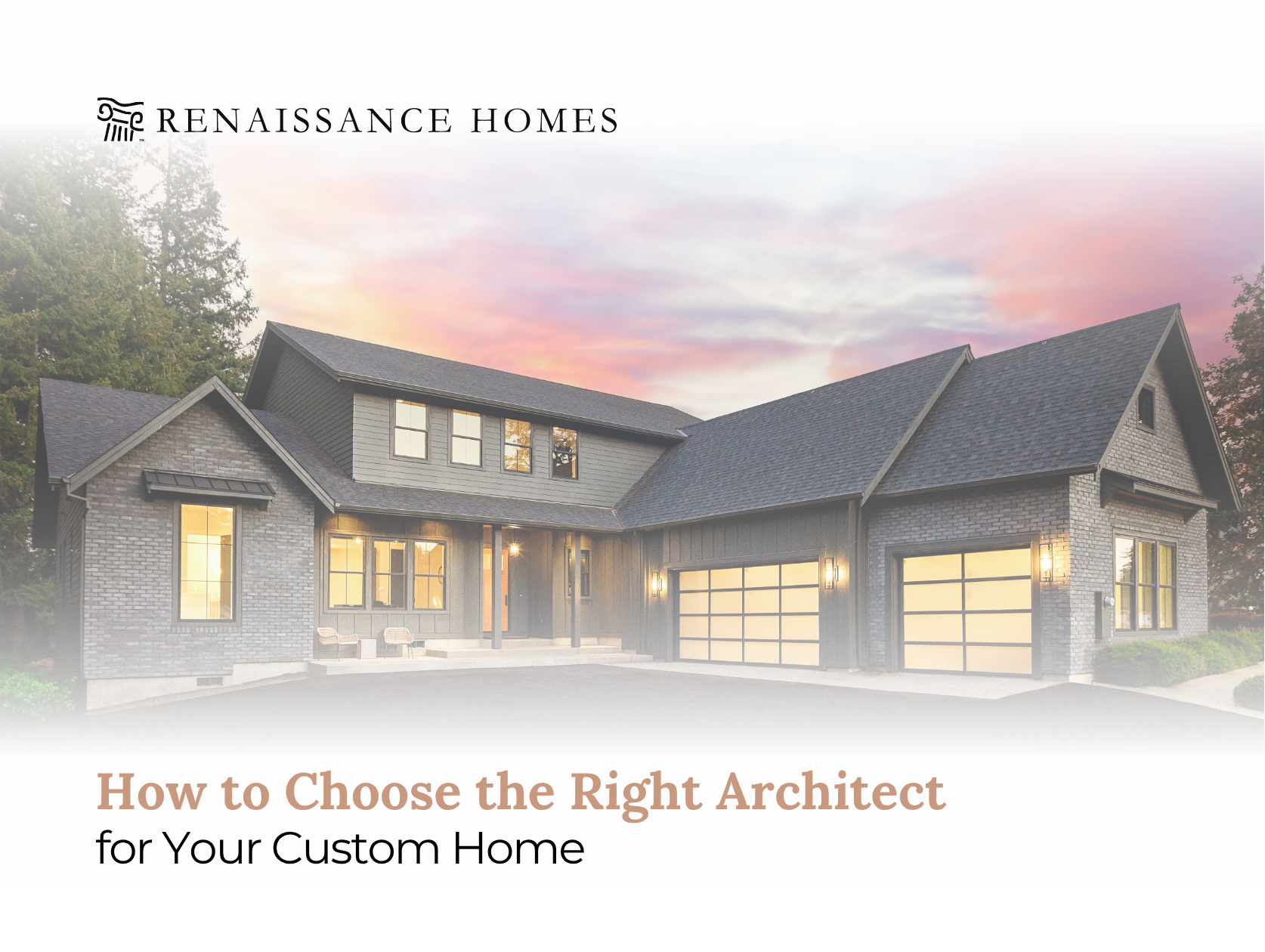
Selecting the right architect for custom home projects ranks among the most consequential decisions in the building process. This creative professional translates your vision into detailed plans while navigating technical requirements, budget constraints, and regulatory complexities. The architect you choose profoundly influences not only the aesthetic character of your home but also its functionality, efficiency, and how well it serves your lifestyle for decades to come. Understanding how to evaluate and select architectural talent ensures this critical partnership delivers the exceptional results you envision.
The Architect’s Role in Custom Home Design
Vision Translation and Creative Design
Architects serve as interpreters, transforming abstract ideas, lifestyle requirements, and aesthetic preferences into tangible building designs. This creative translation requires both artistic sensibility and technical expertise, understanding how spaces function while creating environments that inspire and delight. The best architects listen carefully to clients, ask probing questions revealing underlying needs, and synthesize this information into designs exceeding expectations.
Beyond simply drawing floor plans, architects consider how natural light enters spaces, how rooms relate to one another, how the home sits on its site, and how architectural elements create character and beauty. This holistic design approach distinguishes thoughtful architecture from generic construction. The creative vision architects bring transforms houses into homes reflecting occupants’ personalities and values.
Technical Expertise and Documentation
Architectural services extend far beyond conceptual design into technical documentation required for construction. Architects produce detailed drawings showing dimensions, materials, construction methods, and coordination with engineering systems. These documents guide contractors during building while serving as legal contracts specifying exactly what will be constructed.
Code compliance, accessibility requirements, energy efficiency standards, and structural coordination all fall within architectural responsibilities. Navigating these technical requirements while maintaining design integrity demands expertise most homeowners lack. Professional architects ensure designs meet all regulatory requirements while achieving aesthetic and functional goals.
Project Management and Coordination
Architects coordinate with numerous consultants including structural engineers, mechanical engineers, landscape architects, and interior designers. This coordination ensures all disciplines work toward unified goals rather than creating conflicting systems. The architect typically serves as primary point of contact orchestrating these specialized professionals.
During construction, architects often provide observation services verifying work follows design intent and maintaining quality standards. This oversight protects owner interests, catches problems early, and ensures finished projects match approved designs. The architect’s continued involvement throughout construction proves invaluable for achieving successful outcomes.
When You Need an Architect
Complex or Custom Designs
While some simple residential projects proceed without architectural services, custom homes almost universally benefit from professional design. Unique sites, specific lifestyle requirements, and desire for homes reflecting personal style all warrant architectural expertise. The investment in quality design pays dividends through enhanced livability, efficiency, and property value.
Custom homes incorporating special features including home theaters, wine cellars, art studios, or complex spatial relationships particularly benefit from architectural planning. These specialized spaces require thoughtful integration with overall home designs, something architects excel at providing. The more unique your vision, the more valuable professional architectural services become.
Challenging Sites
Properties with steep slopes, challenging access, protected trees, or other constraints demand architectural creativity transforming limitations into opportunities. Architects experienced with difficult sites devise innovative solutions that generic plans cannot address. Their expertise in grading, retaining walls, and building placement maximizes site potential while minimizing development costs.
Lots with spectacular views, unique topography, or environmental sensitivities require careful design balancing development with preservation. Architects skilled in site-responsive design create homes enhancing rather than compromising natural settings. This thoughtful approach to site design distinguishes custom architecture from standard construction.
Regulatory and Code Requirements
Complex zoning requirements, design review boards, historic districts, and other regulatory overlays benefit from architectural expertise navigating approval processes. Architects familiar with local jurisdictions understand requirements, know key officials, and present projects professionally increasing approval likelihood. This experience proves particularly valuable in communities with extensive design controls.
Many jurisdictions require architectural involvement for projects exceeding certain sizes or complexity thresholds. Even where not required, architectural services help ensure code compliance while designing homes that work well rather than merely meeting minimum standards. Professional design elevates results beyond basic code compliance.
Architectural Qualifications and Credentials
Licensing Requirements
Architects must hold professional licenses requiring extensive education, experience, and examination. Most states require five-year professional architecture degrees, three-year supervised internships, and passing scores on multiple licensing exams. These rigorous requirements ensure architects possess knowledge and skills necessary for responsible practice.
License verification proves straightforward through state licensing boards. Confirming candidates hold current licenses in appropriate states represents essential due diligence. Unlicensed individuals calling themselves architects or designers may lack education, insurance, and legal authority to practice, creating significant risks.
Professional Certifications
Beyond basic licensure, architects may hold specialized certifications demonstrating additional expertise. LEED accreditation indicates knowledge of sustainable design practices. Certified Aging-in-Place Specialist (CAPS) credentials show expertise in universal design. These additional certifications signal commitment to specialized knowledge benefiting specific project types.
Membership in the American Institute of Architects (AIA) indicates professional standing and continuing education participation. While not required, AIA membership often correlates with higher professional standards and ethics. These memberships provide additional assurance of qualifications and commitment to excellence.
Education and Training
Architectural education quality varies substantially between programs. Graduates of accredited professional programs receive comprehensive training in design, technology, history, and professional practice. The school attended and academic performance provide insights into foundational knowledge and design philosophy.
Advanced degrees including Master of Architecture demonstrate additional commitment to the profession and typically indicate enhanced design capabilities. Thesis projects and academic portfolios reveal design interests and capabilities before professional work confuses academic promise with practical compromise. These educational credentials help assess architectural talent.
Architectural Styles and Specialization
Understanding Style Expertise
Architects often specialize in particular architectural styles or typologies. Some focus on modern contemporary design while others excel at traditional architecture. Reviewing portfolios reveals stylistic preferences and expertise areas. Matching architect’s natural inclinations with your aesthetic preferences creates better partnerships than hiring architects whose work conflicts with your vision.
Style specialization does not mean architects cannot work outside comfort zones, but most produce strongest work within familiar idioms. An architect passionate about modernism may struggle creating convincing traditional designs and vice versa. Honest conversations about style preferences and portfolio reviews prevent mismatches creating dissatisfaction.
Residential Expertise
Architects focusing primarily on residential work understand family living patterns, storage needs, and domestic scale better than those primarily designing commercial buildings. Residential specialists bring expertise in kitchens, bathrooms, closets, and other residential-specific spaces that generalists may overlook. This focused experience creates homes functioning better for actual living.
Custom residential architecture differs substantially from production housing or commercial work. Architects experienced with custom homes understand balancing personalization with resale considerations, managing budgets in residential-scale projects, and working with residential contractors. This specialized knowledge proves valuable throughout projects.
The Architect Selection Process
Building a Candidate List
Begin architect searches by soliciting recommendations from trusted sources including builders, friends who have completed custom homes, and real estate professionals. Online searches, architectural organization directories, and project-specific criteria including sustainable design expertise help identify qualified candidates. Aim for initial lists of five to seven architects for preliminary screening.
Portfolio reviews through websites provide initial impressions of design quality and style compatibility. Look for projects similar in scale and style to your envisioned home. Published work, awards, and peer recognition indicate design excellence and professional standing. These preliminary reviews narrow fields to manageable numbers for deeper investigation.
Initial Consultations
Most architects offer complimentary initial consultations discussing projects, reviewing qualifications, and assessing potential fit. These meetings provide opportunities to present project visions, ask questions about architects’ approaches, and evaluate communication styles and chemistry. Meeting several architects allows comparisons before making final selections.
Bring project information including site surveys, inspiration images, preliminary program requirements, and budget parameters to initial meetings. This preparation demonstrates seriousness while providing architects sufficient information for meaningful discussions. Their responses to your project reveal interest levels, creative thinking, and professional competence.
Proposal and Interview Process
Request formal proposals from two or three finalists including scope of services, fee structures, schedules, and references. These proposals create bases for comparing offerings and costs. Detailed proposals demonstrate thoroughness while revealing whether architects understood project requirements and client priorities.
Follow-up interviews with finalists allow deeper exploration of working methods, project approaches, and specific concerns. Ask about similar projects, problem-solving approaches, and how they handle inevitable challenges. These conversations reveal professional capabilities and personal compatibility essential for successful long-term working relationships.
Understanding how architectural services integrate with overall custom home planning becomes clearer when exploring what’s included in custom home building plans, which examines how architectural design coordinates with engineering and construction documentation.
Essential Questions to Ask Potential Architects
Experience and Portfolio
Request detailed information about residential experience including number of custom homes designed, typical project sizes, and relevant specializations. Review complete portfolios focusing on projects similar in scale, style, and complexity to your planned home. Ask about challenges encountered in previous projects and how they were resolved.
Inquire about experience with your specific jurisdiction including knowledge of local codes, design review processes, and contractor relationships. Local experience streamlines permitting and construction, though talented architects from elsewhere can certainly succeed with local projects. Understanding their familiarity with regional requirements helps assess likely process efficiency.
Design Process and Philosophy
Ask architects to describe their design processes from initial concepts through construction completion. How do they gather client input? What deliverables are provided at various stages? How many design iterations are typical? Understanding their working methods helps assess compatibility with your expectations and involvement preferences.
Discuss design philosophies and priorities. Do they emphasize sustainability, historical authenticity, modernist simplicity, or other principles? Understanding their values and approaches helps determine whether their priorities align with yours. Mismatched philosophies create friction throughout design processes, while shared values facilitate collaboration.
Budget Management
Inquire about approaches to designing within budgets including cost estimating methods, value engineering processes, and experience maintaining budget discipline. Ask how they handle situations where initial designs exceed budgets. Their responses reveal whether they understand construction costs and take budget constraints seriously.
Request information about typical cost per square foot for projects similar to yours and how their designs compare to these benchmarks. While costs vary based on numerous factors, experienced architects understand realistic expectations and can provide general guidance. Unrealistic cost projections indicate either inexperience or unreliability.
Project Timeline
Ask about typical timelines from initial engagement through permit approval and construction document completion. How long does schematic design take? Design development? Construction documents? Understanding these timeframes helps assess whether proposed schedules align with your needs and reflect realistic expectations.
Discuss availability and how many active projects the architect currently manages. Overcommitted architects struggle providing adequate attention to all clients. Understanding their capacity and proposed team assignments ensures your project receives appropriate resources and principal involvement.
Construction Phase Services
Clarify what construction phase services are included in basic fees versus available as additional services. Will the architect attend construction meetings? How are contractor questions handled? What site visit frequency is included? Understanding these provisions prevents misunderstandings about continued involvement during building.
Ask about experience resolving construction issues and working with contractors. The construction phase inevitably presents challenges requiring problem-solving and coordination. Architects with strong contractor relationships and construction understanding add tremendous value during building, while those primarily focused on design may struggle with practical implementation issues.
Evaluating Architect Portfolios
Quality of Design
Assess portfolio projects for design quality including proportions, detailing, material use, and spatial composition. Do spaces appear well-lit and graciously proportioned? Do materials integrate thoughtfully? Does detailing demonstrate craft and care? These qualitative assessments reveal design capabilities better than project counts or sizes.
Look for creativity and innovation rather than repetitive formulas applied uniformly across projects. Each project should respond to specific client needs, site conditions, and programmatic requirements rather than representing variations on fixed themes. This responsiveness indicates client-focused design rather than architect-centric approaches.
Relevant Experience
While design excellence matters regardless of project type, relevant experience proves valuable. Has the architect designed homes of similar size and complexity? Do portfolio projects include features you envision? Experience with specific challenges including steep sites, historic districts, or complex programming demonstrates capabilities addressing your particular requirements.
Geographic experience within your region brings familiarity with climate, construction methods, material availability, and regulatory environments. While not absolutely necessary, local experience often translates to smoother processes and better-adapted designs. Consider whether portfolio projects demonstrate appropriate regional responsiveness.
Documentation Quality
Request examples of construction documents from portfolio projects. Well-organized, clearly detailed drawings indicate thoroughness and professionalism translating to better construction outcomes. Sloppy or incomplete documents create confusion, delays, and quality problems during building. Document quality provides insights into technical capabilities and professional standards.
Red Flags to Avoid
Poor Communication
Architects who don’t return calls promptly, miss scheduled meetings, or fail to provide requested information demonstrate problematic working styles. These communication failures only worsen during intensive design and construction phases. Responsiveness and reliability during courtship periods predict behavior throughout projects.
Architects dismissive of your input, defensive about criticism, or unwilling to explain design decisions create difficult working relationships. While architects should guide and educate, they ultimately serve client visions and goals. Collaboration requires mutual respect and open communication that red flag behaviors contradict.
Unrealistic Promises
Be wary of architects promising dramatically faster timelines, significantly lower budgets, or effortless approval processes compared to competitors. These unrealistic promises indicate either inexperience or dishonesty. Neither bodes well for project success. Experienced architects provide realistic expectations based on actual project requirements and processes.
Guarantees of specific cost outcomes, construction schedule lengths, or permit approval timelines should raise skepticism. Too many variables beyond architectural control affect these outcomes for guarantees. Responsible architects provide reasonable expectations while acknowledging uncertainties inherent in construction projects.
Lack of Insurance or References
Architects should carry professional liability insurance protecting clients against design errors. Request proof of coverage with adequate limits for project values. Architects without appropriate insurance create risks that savings in lower fees cannot justify. This represents essential protection for significant investments.
Reluctance to provide references or consistently negative feedback from past clients signals serious problems. While occasional difficult client relationships occur in any practice, patterns of dissatisfaction indicate problematic practices. Thorough reference checking provides valuable insights into working styles and satisfaction levels.
Fee Structures That Seem Too Good to Be True
Dramatically lower fees than competitors may indicate incomplete service offerings, inexperience, or quality compromises. Architectural services require significant time and expertise. Fees far below market rates cannot support quality work. While expensive does not guarantee excellence, underpriced services almost invariably underdeliver.
Understanding Architectural Fees
Fee Structure Types
Architects charge fees using various structures including percentage of construction cost, fixed fees, hourly rates, or hybrids combining these approaches. Each structure brings advantages and disadvantages. Percentage fees align architect interests with managing costs, though some clients dislike potential conflicts when higher costs mean higher fees.
Fixed fees provide budget certainty but may create conflicts if extensive revisions or additions expand scope beyond original agreements. Hourly fees offer flexibility but create budget uncertainty. Understanding these structures and which best suits your project type and certainty level helps negotiate appropriate agreements.
Typical Fee Ranges
Residential architectural fees typically range from 8% to 15% of construction costs, varying based on project complexity, service scope, and regional norms. Small, complex projects often command higher percentages than larger, straightforward designs. Remodeling projects typically cost more on percentage bases than new construction due to documentation complexity and existing condition challenges.
Fees for basic design services (schematic design, design development, construction documents, bidding support) usually represent the bulk of architectural costs. Additional services including extensive pre-design studies, detailed interior design, construction administration, and project management add to basic fees. Understanding what’s included versus available as add-ons prevents surprise costs.
Negotiating Fees
While fee negotiation is appropriate, remember that architectural services represent professional expertise. Squeezing fees too aggressively compromises service quality and architect profitability, potentially creating adversarial relationships. Fair compensation attracts quality professionals and ensures adequate resources for thorough work.
Focus negotiations on scope rather than solely rates. Perhaps certain services can be eliminated or scaled back if budget constraints require fee reductions. Value engineering early design alternatives before extensive development proceeds can save both design fees and construction costs. These scope discussions prove more productive than simply demanding lower rates.
The Architect-Client Relationship
Communication and Collaboration
Successful projects require open, honest communication between architects and clients. Share preferences, concerns, and constraints freely. Architects cannot read minds and depend on clear input for appropriate designs. Similarly, listen carefully to architectural guidance about feasibility, costs, and design implications of various choices.
Regular meetings during design phases keep projects moving while ensuring alignment continues. These touchpoints allow course corrections before extensive work proceeds in wrong directions. Establish communication preferences including meeting frequency, update expectations, and decision-making processes early to prevent misunderstandings.
Decision Making and Approvals
Clear decision-making processes prevent confusion and delays. Determine who represents the client for design decisions, particularly when multiple family members have input. Architects need single points of contact or clear consensus processes for efficient workflow. Changing directions based on conflicting family input frustrates architects and delays progress.
Establish review and approval procedures for design phases. What constitutes approval to proceed from schematic design to design development? How are change requests handled? Formalizing these processes prevents misunderstandings about expectations and scope. Written approvals at key milestones protect both parties.
Managing Expectations
Understand that design is iterative with concepts refined through multiple rounds. Initial schemes may not fully resolve all issues. This evolutionary process improves designs but requires patience. Architects balance numerous considerations including aesthetics, function, code compliance, and budget, taking time to optimize solutions.
Budget realities may require compromises from initial visions. While disappointing, these adjustments represent normal design processes. Architects should help prioritize features and identify where savings can occur with minimal impact. Collaborative problem-solving through these challenges strengthens working relationships and improves outcomes.
Contracts and Agreements
Standard Contract Forms
The American Institute of Architects publishes standard contract forms widely used in the profession. These balanced agreements protect both owner and architect interests while establishing clear responsibilities and procedures. Using standard forms rather than custom agreements ensures fairness and prevents gaps in coverage.
Review contracts carefully before signing, ensuring understanding of all terms. Consider having real estate attorneys review agreements, particularly for large projects. While templates provide solid foundations, modifications may prove appropriate for specific situations. Both parties should understand and agree to all provisions before work begins.
Scope of Services
Contracts should clearly describe services included in fees versus available as additional services. Typical phases include schematic design, design development, construction documents, bidding or negotiation support, and construction administration. Each phase’s deliverables should be specified including drawing numbers, expected meetings, and decision points.
Additional services like extensive site analysis, interior design, landscape architecture coordination, permitting assistance beyond basic submissions, and extended construction observation should be clearly identified. Understanding what’s included prevents disputes about additional fee requests for services clients assumed were included.
Payment Terms
Payment schedules aligned with design phases prove common, with portions of fees due at completion of schematic design, design development, and construction documents, with remaining amounts distributed through construction administration. This alignment creates logical billing tied to work completion.
Contracts should specify invoicing procedures, payment due dates, and consequences of late payment. Similarly, provisions for stopping work if payments become significantly overdue protect architects from extensive work without compensation. Clear financial terms prevent common sources of conflict between parties.
Termination Provisions
Contracts should specify conditions under which either party can terminate agreements. Typically, owners can terminate for convenience with payment for services completed. Architects can terminate for non-payment or other owner breaches. Understanding these provisions before problems arise establishes fair procedures if relationships deteriorate.
For detailed understanding of comprehensive planning processes including architectural coordination, exploring resources about the journey of building your custom home from concept to reality provides valuable context about how architectural services fit within overall project workflows.
Working with Architects and Builders Together
Integrated Design-Build
Some firms offer integrated design-build services combining architectural design and construction under single contracts. This approach streamlines processes, improves coordination, and often reduces costs through better construction understanding during design. Single-source responsibility eliminates finger-pointing between separate designers and builders.
However, design-build reduces owner control and independent oversight of construction. The same entity designing and building may not catch its own errors or oversee its own work objectively. Consider whether streamlined processes and potential cost savings outweigh reduced independent oversight when evaluating design-build approaches.
Separate Architect and Builder
Traditional approaches separate design and construction with architects designing and contractors building under separate contracts. This separation provides independent oversight with architects reviewing contractor work. The check-and-balance system often produces higher quality through professional oversight.
Choose architects and builders familiar with working together collaboratively rather than adversarially. Their ability to communicate effectively and solve problems cooperatively dramatically affects project success. Request references from both about working with the other to assess relationship quality and compatibility.
Early Builder Involvement
Bringing builders into design processes early, even with separate contracts, improves construction understanding during design. Builders provide cost feedback, constructability input, and schedule reality checks that improve designs before bidding. This early collaboration often saves money while preventing design modifications during construction.
Some architects resist early builder involvement, preferring complete design independence followed by competitive bidding. Discuss preferences about builder involvement timing during architect selection. Alignment on these process questions prevents conflicts about how projects should proceed.
Understanding Design Phases
Pre-Design and Programming
Initial services often include site analysis, programming (documenting functional requirements), and feasibility studies. These pre-design services establish project foundations before formal design begins. Clear understanding of sites, programs, and constraints focuses design efforts productively.
Programming documents space requirements, adjacency preferences, special features, and performance requirements. This written program becomes reference ensuring designs address all needs. Thorough programming prevents omissions discovered too late to incorporate without expensive changes.
Schematic Design
Schematic design produces preliminary concepts showing overall design approaches. Multiple schemes may be developed exploring different spatial organizations, architectural styles, or site placements. Schematic designs remain somewhat abstract, focusing on big ideas rather than specific details.
This phase establishes overall project scope, forms, and character. Major decisions about room layouts, architectural styles, and relationship to sites occur during schematic design. While refinement continues through subsequent phases, fundamental concepts emerge here. Client approval of schematic designs authorizes proceeding to more detailed development.
Design Development
Design development refines approved schemes, resolving details and coordinating with consultants. Structural engineers become involved, establishing major structural elements. Mechanical and electrical engineers begin system designs. These coordinated efforts transform conceptual schemes into buildable designs.
Material selections, window sizes and types, door specifications, and built-in features all develop during this phase. Designs gain specificity though not yet construction-ready. Client review and approval of design development documents confirm direction before extensive construction document production.
Construction Documents
Construction documents provide complete building instructions for contractors including dimensions, materials, construction methods, and coordination with all building systems. These detailed drawings and specifications allow accurate bidding and proper construction. Completeness and clarity of construction documents directly impact bid accuracy and construction quality.
Production of construction documents represents the most time-intensive architectural phase. Patience during this phase ensures thorough, coordinated documents preventing construction problems from inadequate information. Rushing construction documents to meet artificial deadlines compromises quality and creates expensive construction issues.
Bidding and Negotiation
Architects typically assist with contractor selection during bidding or negotiation phases. Services include preparing bidding documents, responding to contractor questions, reviewing bids for completeness and accuracy, and comparing proposals. This support helps owners make informed contractor selections.
Some architects recommend particular contractors based on past successful collaborations. These recommendations can prove valuable though owners should verify contractor qualifications independently. The architect’s role remains advisory with owners making final contractor selections and contract negotiations.
Construction Administration
Construction phase services verify that work follows design intent and maintains quality standards. Architects review contractor submittals, respond to requests for information, visit sites periodically, and certify payment applications. This continued involvement through construction proves valuable for achieving envisioned results.
Understand that construction observation differs from full-time inspection. Architects typically visit sites periodically rather than maintaining constant presence. Identifying major problems and trends rather than catching every minor deviation represents realistic expectations. Owners desiring more intensive oversight may hire separate project representatives or inspectors.
Specialty Architectural Services
Sustainable Design
Architects specializing in sustainable design bring expertise in energy efficiency, material selection, solar orientation, and green building certification programs including LEED or Passive House. This specialized knowledge creates homes with lower environmental impacts and operating costs while maintaining comfort and beauty.
Green building requires integration across disciplines with architectural design coordinating with mechanical systems, insulation strategies, and renewable energy installations. Architects experienced in these coordinated approaches achieve better performance than those treating sustainability as superficial add-ons. Discuss sustainability priorities during architect selection if these values matter to you.
Universal Design
Universal design specialists create homes accessible to people with varying abilities throughout lifespans. Features like zero-step entries, wider doorways, lever door handles, and accessible bathrooms allow aging in place without future renovations. This proactive approach proves far more economical than retrofitting homes for accessibility later.
Architects experienced with universal design incorporate these features attractively rather than creating institutional appearances. The goal is homes functioning beautifully for everyone rather than seeming adapted for disabilities. Discuss aging-in-place priorities if you plan decades-long homeownership.
Historic Preservation
Additions or modifications to historic homes require specialized knowledge about preservation standards, historical appropriateness, and regulatory requirements. Architects experienced in historic preservation understand how to design compatible additions respecting original architecture while meeting current code requirements.
Historic district approvals often prove challenging without experienced advocacy. Architects familiar with local preservation commissions and review processes increase approval likelihood while creating designs honoring historic contexts. This expertise proves invaluable for projects in historically sensitive areas.
For comprehensive understanding of how architectural design supports long-term home functionality, exploring custom home builder tips for choosing the right floor plan provides valuable insights into how architects create plans serving evolving needs.
Regional Considerations
Climate-Responsive Design
Architects familiar with regional climates design homes responding appropriately to local conditions. Roof overhangs, window orientations, material selections, and building forms all adapt to climate realities. Pacific Northwest designs differ substantially from Southwest approaches, reflecting precipitation, temperature, and solar patterns.
Regional expertise extends beyond climate to construction methods, material availability, and contractor capabilities. Local architects often design more efficiently for regional conditions than those importing approaches from elsewhere. This regional knowledge prevents expensive learning curves adapting unfamiliar designs to local realities.
Local Code Knowledge
Building codes, zoning regulations, and design review requirements vary significantly between jurisdictions. Architects familiar with specific local requirements navigate approvals more efficiently than those learning requirements during projects. This familiarity saves time and reduces risks of permit denials or required design changes.
Relationships with local building officials facilitate smoother plan reviews and faster approvals. While all designs must meet codes, established professional relationships often ease processes. Local architectural experience provides these advantages that out-of-area architects must build from scratch.
Technology and Modern Practice
Computer-Aided Design
Modern architects work almost exclusively with CAD and Building Information Modeling (BIM) software. These digital tools improve accuracy, coordination, and design exploration capabilities. Three-dimensional modeling helps clients visualize designs before construction while catching conflicts between building systems.
Ask architects about design software they use and how technology enhances their processes. While the tools matter less than design talent, sophisticated technology enables complex projects and improved coordination. Understanding their technological capabilities provides insights into practice modernity and sophistication.
Virtual Reality and Visualization
Advanced practices offer virtual reality walkthroughs, photorealistic renderings, and immersive visualization tools helping clients experience designs before construction. These powerful communication tools reduce misunderstandings while allowing informed decision-making. While not essential, visualization capabilities prove valuable particularly for clients struggling to read two-dimensional plans.
Common Mistakes in Architect Selection
Choosing Based Solely on Cost
Selecting architects primarily based on lowest fees often proves false economy. Architectural design affects hundreds of thousands of dollars in construction costs plus decades of operational expenses and living quality. Modest fee savings pale compared to design value provided by talented architects. Focus on value rather than just cost when making selections.
Ignoring Portfolio Fit
Hiring architects whose portfolios show primarily commercial work, institutional buildings, or architectural styles conflicting with your preferences creates problems. While versatile architects can work outside specialties, strongest work typically occurs within comfort zones. Portfolio alignment indicates natural fit between architect capabilities and project requirements.
Inadequate Reference Checking
Skipping reference checks or accepting perfunctory conversations prevents learning about working style, responsiveness, budget management, and whether past clients would hire architects again. Thorough reference checking with pointed questions about specific concerns provides valuable insights unavailable through interviews or portfolios alone.
Proceeding Without Written Agreements
Beginning work without signed contracts creates risks for both parties. Verbal agreements prove difficult to enforce when disputes arise. Establish clear written agreements before substantive work begins. Resist architect pressure to start work pending contract finalization, as this increases risks of misunderstandings and disputes.
International and Online Architects
Long-Distance Relationships
Internet enables hiring architects from anywhere, but geographic distance creates challenges including limited site understanding, difficulty coordinating with local contractors, and inability to attend meetings in person. While talented architects can succeed remotely, local presence often proves valuable particularly for complex projects.
Remote architects must establish local connections with contractors, consultants, and building departments. This relationship building takes time and may increase costs compared to working with established local practices. Evaluate whether remote architect’s special capabilities justify additional coordination challenges and costs.
Licensing Across State Lines
Architects must hold licenses in states where they practice. Many states allow limited practice by out-of-state architects partnering with local licensed professionals. Verify that remote architects can legally practice in your jurisdiction and understand requirements for doing so. Unlicensed practice creates legal and insurance complications worth avoiding.
Making Your Final Decision
Trusting Your Instincts
After thorough evaluation, trust instincts about personality fit and communication compatibility. You will work closely with your chosen architect through intensive creative processes. Personal chemistry matters alongside professional qualifications. If something feels off despite impressive credentials, keep looking until finding architects where both professional and personal fit feel right.
Second Opinions
If doubts persist after initial selections, consider obtaining second opinions from other architects. Brief consultations reviewing proposed concepts from different perspectives provides additional confidence in decisions or reveals concerns warranting reconsideration. The modest cost of additional professional input proves worthwhile given project stakes.
Starting Small
For clients nervous about committing to unknown architects, consider starting with limited scopes like feasibility studies or schematic design only. These trial engagements allow experiencing working relationships before full commitment. If trial phases work well, expand to complete services. If not, limited initial scope reduces switching costs.
Why Hire Renaissance Homes to Create Your Luxury Custom Home
Locally owned and operated for over four decades, Renaissance Homes is the custom luxury home builder trusted by the area’s most discerning buyers. We are proud to offer the highest quality, most seamless home building experience, as the most awarded builder in Street of Dreams history. Our extensive experience collaborating with the region’s finest architects ensures your architectural vision translates flawlessly into built reality.
As the best custom luxury home builder in the region, Renaissance Homes transforms dreams into reality through partnerships with talented architects who share our commitment to excellence. With premium products hand-selected by our award-winning design team, every custom built home design reflects seamless coordination between architectural creativity and construction expertise. Our custom homes building process includes comprehensive support for architect selection, design review, and construction coordination, ensuring the architect for custom home services you choose integrates perfectly with our building capabilities.
When you choose our custom home builder services, you’re investing in construction expertise that honors and elevates architectural designs. We work collaboratively with architects throughout design and construction, providing constructability input during planning, respecting design intent during building, and solving inevitable challenges creatively rather than through compromises. Our construction teams understand sophisticated architectural details, build precisely to specifications, and take pride in executing exceptional designs beautifully. This respectful partnership between architectural design and construction craftsmanship ensures your custom home achieves the excellence you envision.
Frequently Asked Questions
How much does it cost to hire an architect for a custom home?
Architectural fees for custom homes typically range from 8% to 15% of construction costs, varying based on project complexity, service scope, and regional markets. A $500,000 home might incur $40,000 to $75,000 in architectural fees including all design phases and basic construction administration. While significant, these fees represent worthwhile investments producing better designs, preventing construction problems, and creating homes serving needs beautifully for decades. Quality architectural design typically returns far more value than its cost through enhanced livability, efficiency, and property value.
Do I need an architect if I am working with a custom home builder?
While some custom builders offer design services, independent architectural design often produces superior results through specialized creative expertise and independent oversight during construction. Architects focus exclusively on design quality and owner interests, while builders naturally emphasize construction efficiency and profitability. This separation of design and construction provides checks and balances benefiting owners. However, integrated design-build approaches also offer advantages including streamlined processes and potentially lower costs. The best choice depends on specific circumstances, priorities, and available professionals.
How long does the architectural design process typically take?
Complete architectural services from initial engagement through construction document completion typically require four to six months for straightforward custom homes, longer for complex projects or difficult sites. Schematic design often takes one to two months, design development adds one to two months, and construction documents require two to three months. Permit review processes add additional time beyond architectural control. These timelines assume reasonable client responsiveness and no major scope changes. Understanding realistic schedules helps plan overall project timelines appropriately.
Can I use stock or pre-drawn plans instead of hiring an architect?
Stock plans offer lower initial costs but rarely fit specific sites, needs, or preferences perfectly. Modifications often required to adapt stock plans to situations eliminate much of the cost advantage while compromising original designs. Custom architectural services create homes tailored precisely to sites, lifestyles, and visions rather than forcing adjustments to generic solutions. For truly custom homes reflecting personal style and responding to specific circumstances, architectural services prove worthwhile investments delivering results stock plans cannot match.
What if I don’t like the architect’s initial design concepts?
Initial concepts represent starting points for iterative refinement rather than final solutions. Architects expect feedback and design evolution through collaboration. Clearly communicate concerns about initial schemes, explaining what does not work and why. Good architects synthesize feedback, exploring alternative approaches addressing concerns while maintaining design integrity. If fundamental disconnect persists after several iterations, honest discussion about fit may reveal irreconcilable differences warranting architect changes. However, most successful architect-client relationships weather early conceptual challenges through open communication and collaborative problem-solving.