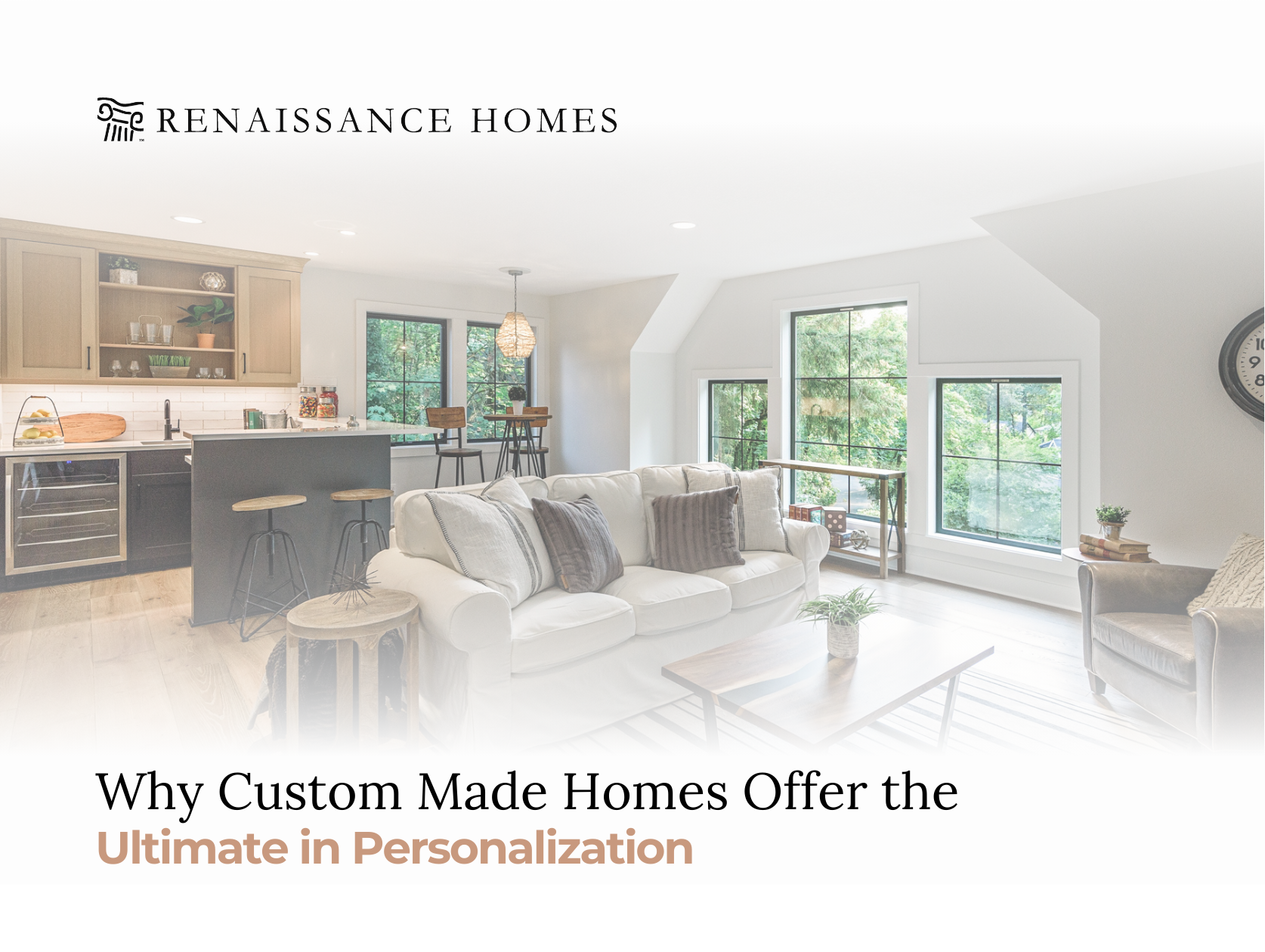
Building a home is one of the most significant investments you’ll make in your lifetime. For those seeking true personalization and control over every detail, custom made homes represent the pinnacle of residential construction. Unlike production homes or semi-custom options, these residences are designed from the ground up to reflect your unique lifestyle, preferences, and vision.
The Pacific Northwest has seen growing demand for personalized living spaces as homeowners increasingly prioritize quality, craftsmanship, and individuality. Custom made homes deliver an unmatched level of flexibility that transforms the homebuilding experience from a transaction into a creative partnership.
What Defines Custom Made Homes
Custom made homes are residential properties designed and built specifically for individual clients on their chosen lot. Every aspect of the home—from architectural style and floor plan to finishes and fixtures—is tailored to the homeowner’s specifications.
Unlike production homes built from predetermined plans or semi-custom homes with limited modification options, custom made homes begin as blank canvases. This approach allows for complete personalization of layout, room sizes, ceiling heights, window placements, and architectural details. The process involves collaboration between the homeowner, architect, and builder to create a residence that perfectly matches the client’s vision and lifestyle needs.
Complete Control Over Design and Layout
One of the most compelling advantages of custom made homes is the freedom to design spaces that work specifically for how you live. Whether you need a dedicated home office with custom built-ins, a chef’s kitchen with commercial-grade appliances, or a multi-generational layout with separate living quarters, custom construction makes it possible.
Homeowners can optimize room placement based on natural light patterns, views, and daily routines. Want your primary bedroom facing east to wake with the sunrise? Prefer an open-concept living area that flows seamlessly to outdoor entertaining spaces? These decisions are yours to make.
The flexibility extends to structural elements as well. Vaulted ceilings, exposed beams, custom staircases, and unique architectural features become integrated parts of the original design rather than costly afterthoughts. This level of control ensures every square foot serves a purpose aligned with your lifestyle, and custom home building plans are developed to capture your complete vision.
Personalized Material and Finish Selections
Material selection represents another area where custom made homes excel. Rather than choosing from a limited palette of builder-grade options, homeowners work directly with design professionals to select every finish, fixture, and surface material.
This personalization includes flooring materials, cabinetry styles, countertop selections, tile work, lighting fixtures, plumbing hardware, and exterior finishes. Each choice reflects your aesthetic preferences and functional requirements. For example, you might select reclaimed wood flooring for its character and sustainability, quartzite countertops for durability and visual appeal, or custom millwork that creates a cohesive design throughout the home.
The ability to specify quality levels for different areas also provides budget flexibility. You might invest in premium finishes for high-traffic areas while selecting cost-effective options for spaces used less frequently. This strategic approach to material selection ensures your budget aligns with your priorities while maintaining overall quality and design cohesion.
Tailored to Your Lifestyle and Future Needs
Custom construction allows you to design for not just your current lifestyle but also anticipated future needs. Growing families can incorporate flexible spaces that adapt as children age, while empty nesters might prioritize single-level living and accessibility features.
Home offices designed with proper lighting, soundproofing, and technology infrastructure have become essential for many professionals. Entertainment spaces, hobby rooms, art studios, home gyms, and wine cellars can be integrated into the original design with proper electrical, plumbing, and ventilation considerations.
For those planning to age in place, universal design principles can be incorporated from the beginning, including wider doorways, zero-threshold showers, and strategic placement of bedrooms and bathrooms. These forward-thinking design choices ensure your home remains functional and comfortable throughout different life stages, and custom homes for growing families exemplify this adaptable approach.
Site-Specific Design Advantages
Custom made homes can be designed to maximize the unique characteristics of your building site. Architects and builders evaluate topography, views, solar orientation, prevailing winds, and vegetation to create designs that enhance these natural features.
Homes on sloped lots might incorporate daylight basements or split-level designs that minimize excavation costs while creating interesting interior spaces. Properties with water views can prioritize window placement and outdoor living areas that frame vistas. Wooded sites might feature designs that preserve mature trees and integrate natural surroundings into the living experience.
Proper site orientation can significantly impact energy efficiency through passive solar design. Strategic window placement, roof overhangs, and thermal mass considerations reduce heating and cooling costs while improving comfort. These site-specific design advantages are only possible with custom construction, as production homes use standardized plans regardless of lot characteristics.
Superior Craftsmanship and Quality Standards
When you invest in custom construction, you’re not just buying a house—you’re commissioning a work of craftsmanship. Reputable custom builders maintain higher quality standards than production builders who prioritize speed and volume.
Custom builders typically employ experienced craftspeople who take pride in their work. Attention to detail shows in properly mitered corners, seamless tile installations, smooth drywall finishes, and precise carpentry. The construction timeline allows for proper technique rather than rushing through tasks to meet aggressive schedules.
Quality extends beyond visible finishes to structural and mechanical systems. Custom builders often specify superior framing techniques, high-performance insulation, advanced HVAC systems, and premium windows and doors. These invisible investments contribute to long-term durability, energy efficiency, and lower maintenance costs.
Integration of Modern Technology and Smart Home Features
Custom made homes provide the perfect opportunity to integrate modern technology from the initial design phase. Rather than retrofitting smart home features, you can plan for structured wiring, adequate electrical capacity, and strategic device placement throughout the home.
Whole-home automation systems can control lighting, climate, security, entertainment, and window treatments from centralized interfaces or mobile devices. These systems work more seamlessly when infrastructure is planned during construction rather than added later. Dedicated equipment closets, network racks, and proper ventilation for technology components ensure reliable performance.
Energy monitoring systems, solar panel integration, and electric vehicle charging stations can be incorporated into electrical design. Home theaters benefit from proper acoustics, soundproofing, and equipment placement planned during framing. These technological considerations are increasingly important for modern living and are best addressed through custom construction.
Sustainable and Energy-Efficient Construction Options
Environmental consciousness and long-term operating costs make energy efficiency a priority for many custom homeowners. Custom construction allows you to incorporate sustainable practices and high-performance building systems that reduce environmental impact and utility expenses.
Options include advanced insulation techniques, high-performance windows and doors, energy-efficient HVAC systems, LED lighting, and ENERGY STAR appliances. Renewable energy systems like solar panels or geothermal heating and cooling can be integrated into initial designs. Water conservation features including low-flow fixtures, rainwater harvesting, and drought-tolerant landscaping reduce resource consumption.
Sustainable material choices such as FSC-certified lumber, recycled content products, low-VOC paints and finishes, and locally sourced materials minimize environmental footprint. These green building practices align with the values many homeowners hold while providing tangible benefits through reduced operating costs and improved indoor air quality, and Oregon home builders focused on sustainable construction lead the way in these practices.
Financial Considerations and Long-Term Value
While custom made homes typically require higher upfront investment than production alternatives, they often provide superior long-term value. Quality construction, timeless design, and proper maintenance result in homes that appreciate well and require fewer costly repairs or renovations.
Custom homes avoid the compromise inherent in production building where homeowners settle for features they don’t want while lacking those they do. This precision reduces the likelihood of expensive remodeling projects shortly after purchase. Getting exactly what you want from the beginning eliminates the need for future modifications that rarely recoup full investment value.
The personalized nature of custom construction also creates homes that stand out in the market. Unique architectural details, superior craftsmanship, and thoughtful design attract discerning buyers willing to pay premium prices. Properties with timeless design and quality construction maintain value better than homes built to minimum standards or following short-lived trends.
The Custom Home Building Process
Understanding the custom construction process helps prospective homeowners prepare for this journey. It typically begins with site selection and evaluation, followed by conceptual design development with an architect. This phase involves translating your vision, lifestyle needs, and budget into preliminary drawings.
Once the design direction is established, detailed architectural plans are developed including floor plans, elevations, and specifications. Structural, mechanical, and electrical engineering ensures the design functions properly. This planning phase might take several months but results in comprehensive documentation that guides construction.
The permitting process involves submitting plans to local building departments for review and approval. Timeline varies by jurisdiction but can take several weeks to several months. During this period, the builder develops detailed cost estimates and construction schedules.
Construction typically progresses through site preparation, foundation, framing, exterior closure, rough-in of mechanical systems, insulation, drywall, trim carpentry, finishes, and final details. Regular communication between the homeowner, builder, and design team ensures the project stays aligned with the original vision, and choosing the right floor plan is a critical early decision.
Selecting the Right Custom Home Builder
The success of your custom home project depends heavily on selecting the right builder. Look for established companies with strong portfolios demonstrating design versatility and quality craftsmanship. Visit completed homes when possible to evaluate finish quality and attention to detail.
References from past clients provide valuable insight into the builder’s communication style, problem-solving abilities, and commitment to customer satisfaction. Ask about the construction timeline, how changes are handled, warranty coverage, and post-construction support.
Financial stability and proper licensing and insurance protect your investment. Transparent pricing and detailed contracts that clearly define scope, specifications, and responsibilities prevent misunderstandings. A builder’s willingness to explain processes and answer questions indicates the collaborative approach essential for successful custom construction, and understanding Portland custom home building codes and regulations demonstrates local expertise.
Why Hire Renaissance Homes for Your Custom Made Homes
Locally owned and operated for over four decades, Renaissance Homes is the custom luxury home builder trusted by the area’s most discerning buyers. We are proud to offer the highest quality, most seamless home building experience, as the most awarded builder in Street of Dreams history.
As the best custom luxury home builder in the region, Renaissance Homes transforms dreams into reality. With premium products hand-selected by our award-winning design team, every custom built home design reflects our commitment to excellence. Our custom homes building process ensures attention to every detail, while our custom luxury home plans are tailored to your unique vision. When you choose our custom home builder services, you’re investing in a work of art and a celebration of craftsmanship.
Founder Randy Sebastian grew up in the Portland area and has continued to refine and innovate the home building process. Our team constantly pushes the envelope on home design, construction techniques, amenities, style, and finishes, creating the most sought-after luxury homes in Oregon. Contact us today to begin your custom home journey.
Frequently Asked Questions
How long does it take to build a custom made home?
The timeline for custom made homes typically ranges from 12 to 18 months from initial design through completion. This includes several months for design development and permitting, followed by 8 to 12 months of construction. Complex designs, site challenges, custom features, and weather conditions can extend timelines. Working with experienced builders who maintain realistic schedules and communicate proactively helps manage expectations throughout the process.
Are custom made homes more expensive than production homes?
Custom made homes generally cost more per square foot than production homes due to higher quality materials, superior craftsmanship, architectural design fees, and personalized features. However, custom homes eliminate the cost of future renovations to modify spaces that don’t meet your needs. They also tend to hold value better and command premium prices when sold. The investment reflects the quality, personalization, and long-term satisfaction that custom construction provides.
Can I make changes during the construction process?
Changes during construction are possible but become more expensive and disruptive as the project progresses. Modifications during the design and planning phases are relatively easy to accommodate. Once construction begins, changes may require rework of completed elements, affect other trades, and delay the schedule. Reputable builders establish clear change order processes that document modifications and associated costs. Thorough planning before construction minimizes the need for changes.
What level of involvement do homeowners have in the building process?
Homeowner involvement in custom made homes is highly collaborative and varies based on personal preference and builder practices. Most builders encourage regular site visits and provide construction updates through meetings, photos, or digital project management tools. Homeowners make numerous decisions throughout the process regarding materials, finishes, fixtures, and details. Clear communication channels and defined decision points help manage this involvement without overwhelming homeowners.
Do custom made homes include warranties?
Reputable custom home builders provide comprehensive warranties covering workmanship and materials. Structural warranties typically cover the foundation and framing for extended periods, often ten years or more. Mechanical systems, finishes, and appliances carry shorter warranties, usually one to two years. Manufacturers’ warranties on products like windows, roofing, and appliances provide additional coverage. Understanding warranty terms and the builder’s responsiveness to warranty issues should be part of your builder selection process.