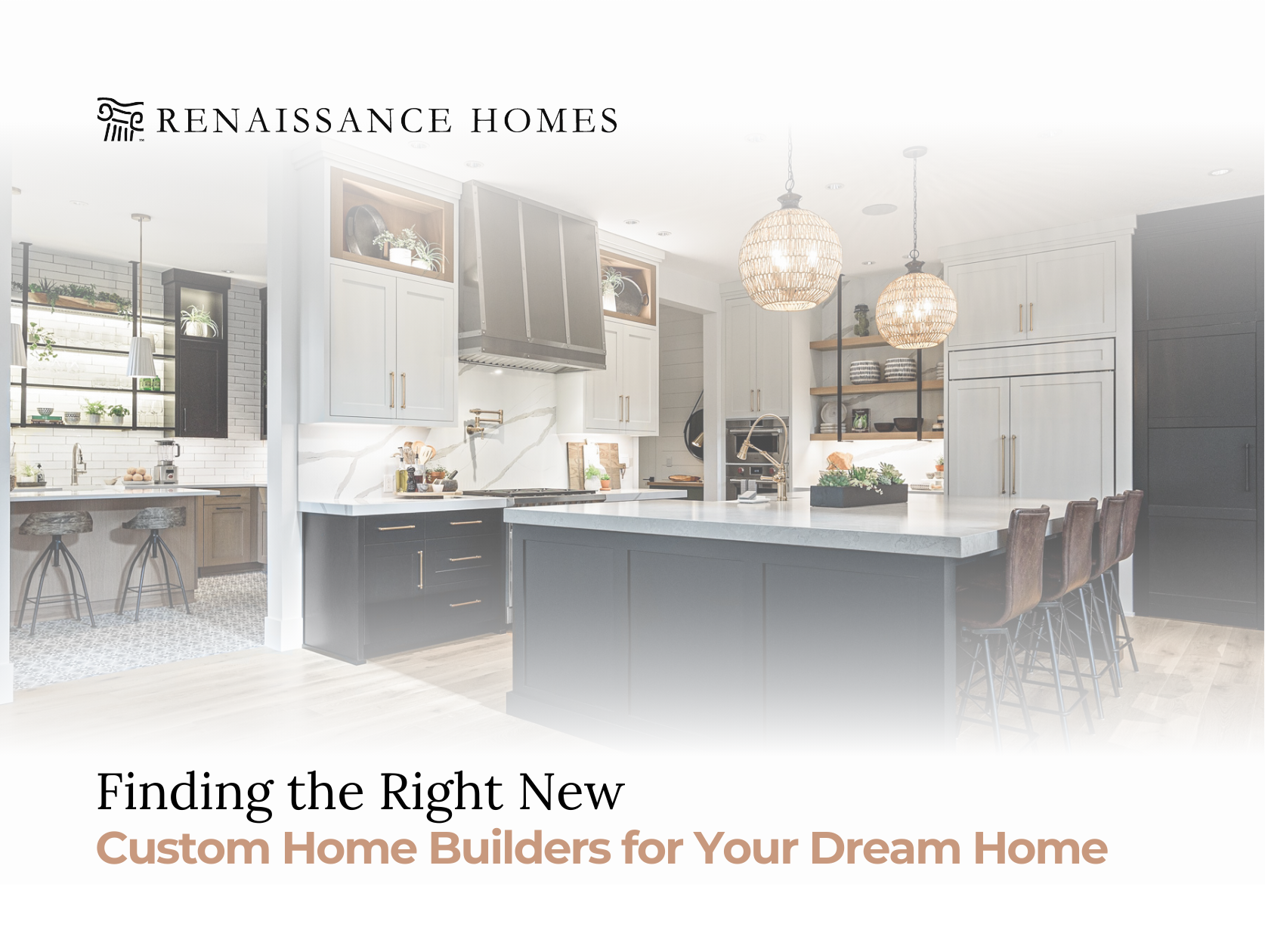
Building a new custom home represents one of the most significant investments you’ll make in your lifetime. The process transforms your vision into a tangible space where memories will unfold for decades to come. Selecting the right builder determines whether this journey becomes a rewarding experience or a source of frustration and regret.
The Pacific Northwest housing market continues to evolve, with discerning homeowners seeking builders who combine traditional craftsmanship with modern innovation. Understanding what distinguishes exceptional builders from average contractors helps you make an informed decision that protects your investment and brings your dream home to life.
Understanding What Makes Quality New Custom Home Builders
Quality builders demonstrate their expertise through tangible results and measurable accomplishments. When evaluating potential partners for your project, examine their portfolio of completed homes, paying attention to architectural diversity and attention to detail. Award recognition from industry organizations provides objective validation of a builder’s capabilities and commitment to excellence.
Experience level often correlates with a builder’s ability to navigate complex challenges during construction. Established firms typically maintain relationships with skilled subcontractors, architects, and suppliers who contribute to superior outcomes. Their track record reveals how they handle obstacles, communicate with clients, and deliver on promises made during the initial consultation.
Essential Qualities to Look for in Custom Home Construction
Financial stability matters when selecting a builder for your project. Companies with strong financial foundations are less likely to experience delays due to cash flow issues or unexpected business disruptions. Request references from recent clients and contact them directly to learn about their experiences throughout the building process.
Communication practices separate exceptional builders from mediocre ones. Your builder should provide regular updates, respond promptly to questions, and maintain transparency about timeline adjustments or budget considerations. Clear communication channels reduce misunderstandings and help manage expectations throughout the construction period.
Technical expertise in local building codes and regulations streamlines the permitting process and prevents costly delays. Builders familiar with regional requirements navigate inspections efficiently while ensuring your home meets all safety and compliance standards. Their knowledge of Portland custom home building codes protects your investment from potential legal complications.
Evaluating Builder Portfolios and Previous Work
A comprehensive portfolio reveals a builder’s range of capabilities and design sensibilities. Review completed projects that align with your aesthetic preferences and functional requirements. Pay attention to finish quality, architectural details, and how well the homes integrate with their surrounding landscapes.
Site visits to completed homes or current construction projects provide firsthand insight into workmanship quality. Observe how the construction site is managed, noting organization, safety practices, and interaction between the builder and their team. Well-maintained job sites typically indicate attention to detail that extends to the finished product.
Client testimonials offer valuable perspectives on the building experience beyond the physical structure. Look for feedback about problem-solving abilities, adherence to timelines, and the builder’s approach to addressing concerns during and after construction. Multiple positive reviews across different projects suggest consistent performance and client satisfaction.
The Importance of Local Experience and Knowledge
Regional expertise significantly impacts project success in custom home construction. Builders with deep roots in the Pacific Northwest understand unique challenges posed by local climate patterns, soil conditions, and environmental regulations. This knowledge informs design decisions and construction methods that enhance your home’s longevity and performance.
Established local builders typically maintain strong relationships with municipal planning departments, which can expedite permitting processes. They understand which materials perform best in regional conditions and can recommend solutions tailored to specific microclimates within the area. Their familiarity with neighborhoods in Portland for developers helps identify optimal locations for your custom home.
Community involvement often indicates a builder’s commitment to the region and their reputation among local residents. Builders who invest in their communities through charitable work, industry education, or sustainable building practices demonstrate values that extend beyond profit margins. These connections also provide additional references and insights into their business practices.
Budget Considerations When Choosing a Builder
Transparent pricing structures help you understand where your investment goes throughout the construction process. Detailed estimates break down costs for materials, labor, permits, and contingencies, allowing you to make informed decisions about priorities and potential modifications. Avoid builders who provide vague estimates or resist documenting specific costs.
Value assessment requires looking beyond initial price quotes to consider long-term quality and durability. Higher upfront costs may deliver superior materials, advanced building techniques, and craftsmanship that reduces maintenance expenses over time. Compare what each builder includes in their base price versus optional upgrades to ensure fair comparisons.
Payment schedules should align with construction milestones rather than requiring large upfront deposits. This arrangement protects both parties and ensures the builder maintains financial motivation to complete the project satisfactorily. Understanding how what’s included in custom home building plans affects overall costs helps you budget appropriately.
Questions to Ask Potential Custom Home Builders
Project timeline expectations establish realistic benchmarks for completion. Ask about typical construction duration for homes similar to yours and factors that might affect the schedule. Understand their approach to weather delays, material shortages, or unexpected site conditions that could extend the timeline.
Warranty coverage protects your investment after move-in. Inquire about what components are covered, the duration of coverage, and the process for addressing warranty claims. Comprehensive warranties typically indicate confidence in workmanship quality and materials used throughout construction.
Design flexibility reveals how collaborative the builder will be throughout the process. Some builders work exclusively with specific architects or offer limited customization options, while others accommodate unique visions and incorporate client preferences at various stages. Understanding custom home builder tips for choosing the right floor plan helps you articulate your needs during these discussions.
Sustainability and Modern Building Practices
Environmental considerations increasingly influence custom home construction decisions. Builders incorporating sustainable practices often deliver homes with lower operating costs through superior insulation, efficient mechanical systems, and renewable energy integration. These features not only reduce environmental impact but also enhance long-term value and comfort.
Energy efficiency certifications provide objective measures of a home’s environmental performance. Programs such as LEED certification or Energy Star ratings validate that construction meets specific sustainability standards. Builders experienced in sustainable construction practices can guide you through available options and their associated benefits.
Smart home technology integration requires planning during the design phase. Forward-thinking builders incorporate infrastructure for advanced systems that control lighting, climate, security, and entertainment throughout the home. Understanding top design features custom home builders offer helps you identify which technologies align with your lifestyle.
Understanding the Custom Home Building Timeline
Pre-construction phases consume significant time before actual building begins. Site selection, design development, permitting, and financing typically require several months of planning and coordination. Realistic expectations about these preliminary stages prevent frustration and help you prepare for the journey ahead.
Construction phases progress through foundation work, framing, mechanical systems, and interior finishes. Each stage depends on weather conditions, material availability, and inspection approvals. Your builder should provide a detailed schedule outlining major milestones and critical decision points where your input is required.
Post-construction activities include final inspections, landscaping completion, and punch list resolution. Plan for several weeks between substantial completion and move-in to address any remaining details. Understanding the journey of building your custom home from concept to reality prepares you for the full scope of the process.
Why Hire Renaissance Homes for Your Once-in-a-Lifetime Custom Home
Locally owned and operated for over four decades, Renaissance Homes is the custom luxury home builder trusted by the area’s most discerning buyers. We are proud to offer the highest quality, most seamless home building experience, as the most awarded builder in Street of Dreams history.
As the best new custom home builders in the region, Renaissance Homes transforms dreams into reality. With premium products hand-selected by our award-winning design team, every custom built home design reflects our commitment to excellence. Our custom homes building process ensures attention to every detail, while our custom luxury home plans are tailored to your unique vision. When you choose our custom home builder services, you’re investing in a work of art and a celebration of craftsmanship.
Contact Renaissance Homes today to begin your journey toward the custom home you’ve always envisioned.
Frequently Asked Questions About New Custom Home Builders
How long does it typically take to build a custom home from start to finish?
The complete timeline for building a custom home typically ranges from 12 to 18 months, depending on design complexity, site conditions, and permitting requirements. This includes approximately 3 to 6 months for design and permitting, followed by 9 to 12 months for construction. Weather conditions, material availability, and the scope of customization can affect this timeline.
What should I look for when comparing different custom home builders?
Focus on verifiable experience, portfolio quality, client testimonials, transparent pricing practices, and communication style. Review their completed projects, check industry recognition and awards, verify licensing and insurance, and speak directly with past clients about their experiences. Local expertise and financial stability are also important factors in making your selection.
How much more does a custom home cost compared to a production home?
Custom homes typically cost 10% to 30% more than comparable production homes due to personalized design, higher-quality materials, and greater attention to detail. However, this investment delivers a home precisely tailored to your needs, superior craftsmanship, and unique features not available in production housing. The long-term value often justifies the initial premium through better resale potential and reduced maintenance costs.
Can I make changes to the design during construction?
Most builders accommodate design changes during construction, though modifications become more expensive and disruptive as the project progresses. Changes during the design phase before construction begins are easiest to implement. Once construction starts, structural changes require more extensive modifications than finish selections. Discuss the change order process with your builder before signing contracts to understand timing and cost implications.
What warranties should I expect from a quality custom home builder?
Reputable builders typically offer a one-year warranty covering workmanship and materials, a two-year warranty on mechanical systems, and a ten-year structural warranty. These warranties should be clearly documented in your contract, specifying what components are covered, the process for filing claims, and response timeframes. Some builders offer extended coverage or transferable warranties that add value when selling your home.Building a new custom home represents one of the most significant investments you’ll make in your lifetime. The process transforms your vision into a tangible space where memories will unfold for decades to come. Selecting the right builder determines whether this journey becomes a rewarding experience or a source of frustration and regret.
The Pacific Northwest housing market continues to evolve, with discerning homeowners seeking builders who combine traditional craftsmanship with modern innovation. Understanding what distinguishes exceptional builders from average contractors helps you make an informed decision that protects your investment and brings your dream home to life.
Understanding What Makes Quality New Custom Home Builders
Quality builders demonstrate their expertise through tangible results and measurable accomplishments. When evaluating potential partners for your project, examine their portfolio of completed homes, paying attention to architectural diversity and attention to detail. Award recognition from industry organizations provides objective validation of a builder’s capabilities and commitment to excellence.
Experience level often correlates with a builder’s ability to navigate complex challenges during construction. Established firms typically maintain relationships with skilled subcontractors, architects, and suppliers who contribute to superior outcomes. Their track record reveals how they handle obstacles, communicate with clients, and deliver on promises made during the initial consultation.
Essential Qualities to Look for in Custom Home Construction
Financial stability matters when selecting a builder for your project. Companies with strong financial foundations are less likely to experience delays due to cash flow issues or unexpected business disruptions. Request references from recent clients and contact them directly to learn about their experiences throughout the building process.
Communication practices separate exceptional builders from mediocre ones. Your builder should provide regular updates, respond promptly to questions, and maintain transparency about timeline adjustments or budget considerations. Clear communication channels reduce misunderstandings and help manage expectations throughout the construction period.
Technical expertise in local building codes and regulations streamlines the permitting process and prevents costly delays. Builders familiar with regional requirements navigate inspections efficiently while ensuring your home meets all safety and compliance standards. Their knowledge of Portland custom home building codes protects your investment from potential legal complications.
Evaluating Builder Portfolios and Previous Work
A comprehensive portfolio reveals a builder’s range of capabilities and design sensibilities. Review completed projects that align with your aesthetic preferences and functional requirements. Pay attention to finish quality, architectural details, and how well the homes integrate with their surrounding landscapes.
Site visits to completed homes or current construction projects provide firsthand insight into workmanship quality. Observe how the construction site is managed, noting organization, safety practices, and interaction between the builder and their team. Well-maintained job sites typically indicate attention to detail that extends to the finished product.
Client testimonials offer valuable perspectives on the building experience beyond the physical structure. Look for feedback about problem-solving abilities, adherence to timelines, and the builder’s approach to addressing concerns during and after construction. Multiple positive reviews across different projects suggest consistent performance and client satisfaction.
The Importance of Local Experience and Knowledge
Regional expertise significantly impacts project success in custom home construction. Builders with deep roots in the Pacific Northwest understand unique challenges posed by local climate patterns, soil conditions, and environmental regulations. This knowledge informs design decisions and construction methods that enhance your home’s longevity and performance.
Established local builders typically maintain strong relationships with municipal planning departments, which can expedite permitting processes. They understand which materials perform best in regional conditions and can recommend solutions tailored to specific microclimates within the area. Their familiarity with neighborhoods in Portland for developers helps identify optimal locations for your custom home.
Community involvement often indicates a builder’s commitment to the region and their reputation among local residents. Builders who invest in their communities through charitable work, industry education, or sustainable building practices demonstrate values that extend beyond profit margins. These connections also provide additional references and insights into their business practices.
Budget Considerations When Choosing a Builder
Transparent pricing structures help you understand where your investment goes throughout the construction process. Detailed estimates break down costs for materials, labor, permits, and contingencies, allowing you to make informed decisions about priorities and potential modifications. Avoid builders who provide vague estimates or resist documenting specific costs.
Value assessment requires looking beyond initial price quotes to consider long-term quality and durability. Higher upfront costs may deliver superior materials, advanced building techniques, and craftsmanship that reduces maintenance expenses over time. Compare what each builder includes in their base price versus optional upgrades to ensure fair comparisons.
Payment schedules should align with construction milestones rather than requiring large upfront deposits. This arrangement protects both parties and ensures the builder maintains financial motivation to complete the project satisfactorily. Understanding how what’s included in custom home building plans affects overall costs helps you budget appropriately.
Questions to Ask Potential Custom Home Builders
Project timeline expectations establish realistic benchmarks for completion. Ask about typical construction duration for homes similar to yours and factors that might affect the schedule. Understand their approach to weather delays, material shortages, or unexpected site conditions that could extend the timeline.
Warranty coverage protects your investment after move-in. Inquire about what components are covered, the duration of coverage, and the process for addressing warranty claims. Comprehensive warranties typically indicate confidence in workmanship quality and materials used throughout construction.
Design flexibility reveals how collaborative the builder will be throughout the process. Some builders work exclusively with specific architects or offer limited customization options, while others accommodate unique visions and incorporate client preferences at various stages. Understanding custom home builder tips for choosing the right floor plan helps you articulate your needs during these discussions.
Sustainability and Modern Building Practices
Environmental considerations increasingly influence custom home construction decisions. Builders incorporating sustainable practices often deliver homes with lower operating costs through superior insulation, efficient mechanical systems, and renewable energy integration. These features not only reduce environmental impact but also enhance long-term value and comfort.
Energy efficiency certifications provide objective measures of a home’s environmental performance. Programs such as LEED certification or Energy Star ratings validate that construction meets specific sustainability standards. Builders experienced in sustainable construction practices can guide you through available options and their associated benefits.
Smart home technology integration requires planning during the design phase. Forward-thinking builders incorporate infrastructure for advanced systems that control lighting, climate, security, and entertainment throughout the home. Understanding top design features custom home builders offer helps you identify which technologies align with your lifestyle.
Understanding the Custom Home Building Timeline
Pre-construction phases consume significant time before actual building begins. Site selection, design development, permitting, and financing typically require several months of planning and coordination. Realistic expectations about these preliminary stages prevent frustration and help you prepare for the journey ahead.
Construction phases progress through foundation work, framing, mechanical systems, and interior finishes. Each stage depends on weather conditions, material availability, and inspection approvals. Your builder should provide a detailed schedule outlining major milestones and critical decision points where your input is required.
Post-construction activities include final inspections, landscaping completion, and punch list resolution. Plan for several weeks between substantial completion and move-in to address any remaining details. Understanding the journey of building your custom home from concept to reality prepares you for the full scope of the process.
Why Hire Renaissance Homes for Your Once-in-a-Lifetime Custom Home
Locally owned and operated for over four decades, Renaissance Homes is the custom luxury home builder trusted by the area’s most discerning buyers. We are proud to offer the highest quality, most seamless home building experience, as the most awarded builder in Street of Dreams history.
As the best new custom home builders in the region, Renaissance Homes transforms dreams into reality. With premium products hand-selected by our award-winning design team, every custom built home design reflects our commitment to excellence. Our custom homes building process ensures attention to every detail, while our custom luxury home plans are tailored to your unique vision. When you choose our custom home builder services, you’re investing in a work of art and a celebration of craftsmanship.
Contact Renaissance Homes today to begin your journey toward the custom home you’ve always envisioned.
Frequently Asked Questions About New Custom Home Builders
How long does it typically take to build a custom home from start to finish?
The complete timeline for building a custom home typically ranges from 12 to 18 months, depending on design complexity, site conditions, and permitting requirements. This includes approximately 3 to 6 months for design and permitting, followed by 9 to 12 months for construction. Weather conditions, material availability, and the scope of customization can affect this timeline.
What should I look for when comparing different custom home builders?
Focus on verifiable experience, portfolio quality, client testimonials, transparent pricing practices, and communication style. Review their completed projects, check industry recognition and awards, verify licensing and insurance, and speak directly with past clients about their experiences. Local expertise and financial stability are also important factors in making your selection.
How much more does a custom home cost compared to a production home?
Custom homes typically cost 10% to 30% more than comparable production homes due to personalized design, higher-quality materials, and greater attention to detail. However, this investment delivers a home precisely tailored to your needs, superior craftsmanship, and unique features not available in production housing. The long-term value often justifies the initial premium through better resale potential and reduced maintenance costs.
Can I make changes to the design during construction?
Most builders accommodate design changes during construction, though modifications become more expensive and disruptive as the project progresses. Changes during the design phase before construction begins are easiest to implement. Once construction starts, structural changes require more extensive modifications than finish selections. Discuss the change order process with your builder before signing contracts to understand timing and cost implications.
What warranties should I expect from a quality custom home builder?
Reputable builders typically offer a one-year warranty covering workmanship and materials, a two-year warranty on mechanical systems, and a ten-year structural warranty. These warranties should be clearly documented in your contract, specifying what components are covered, the process for filing claims, and response timeframes. Some builders offer extended coverage or transferable warranties that add value when selling your home.