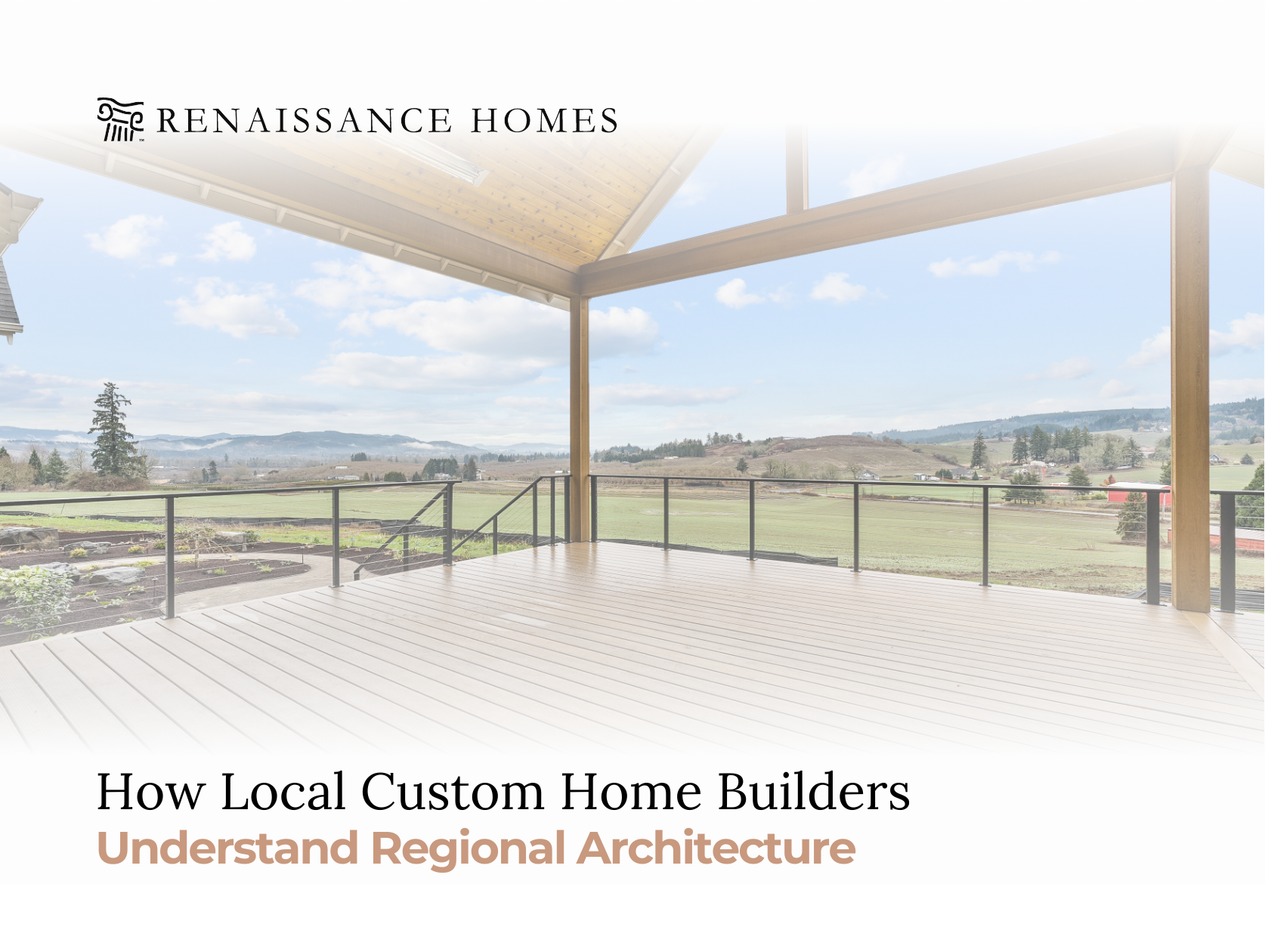
Building a custom home is one of the most significant investments you’ll make in your lifetime. While national builders offer consistency, there’s something uniquely valuable about working with local custom home builders who deeply understand the architectural character, climate considerations, and cultural nuances of your region. These professionals bring an intimate knowledge of place that transforms houses into homes perfectly suited to their surroundings.
Regional architecture isn’t just about aesthetics. It reflects centuries of adaptation to local climate, available materials, cultural traditions, and community character. Local custom home builders serve as custodians of this architectural heritage while incorporating modern innovations that enhance livability and efficiency.
The Foundation of Regional Architectural Knowledge
Local custom home builders develop their understanding of regional architecture through years of working within specific communities. This knowledge goes far beyond textbook learning or standardized design templates.
These professionals study historical building patterns in their areas, understanding why certain architectural styles emerged and how they solved specific regional challenges. A builder for custom homes in the Pacific Northwest, for instance, recognizes how deep eaves and covered porches protect against constant rainfall, while builders in desert regions understand the importance of thermal mass and strategic window placement for heat management.
Climate adaptation forms the cornerstone of regional architectural understanding. Local builders know how seasonal weather patterns affect building materials, foundation requirements, and structural systems. They understand that what works perfectly in one region might fail catastrophically in another. This climate-specific knowledge prevents costly mistakes and creates homes that perform beautifully throughout the year.
Material Selection and Local Sourcing
One of the most visible ways local custom home builders demonstrate regional understanding is through material selection. These professionals know which materials perform best in local conditions and often maintain relationships with regional suppliers and craftspeople.
Traditional building materials developed in regions for specific reasons. Stone prevalent in certain areas offers durability and thermal mass. Wood species native to other regions provide appropriate strength and weather resistance. Local builders understand these material properties intimately and can source them efficiently while supporting regional economies.
Beyond traditional materials, experienced custom home builders understand how modern materials integrate with regional aesthetics. They know which contemporary products complement traditional architectural styles without creating jarring visual disconnects. This balance between innovation and tradition creates homes that feel both timeless and current.
Navigating Local Building Codes and Regulations
Regional building requirements reflect specific geographic and climatic challenges. Local custom home builders navigate these regulations not as obstacles but as frameworks that ensure safety and performance.
Seismic requirements in earthquake-prone areas, hurricane-resistant construction in coastal regions, and energy codes adapted to specific climate zones all require specialized knowledge. Local builders understand not just the letter of these regulations but their underlying purpose, often exceeding minimum requirements to create truly resilient homes.
Portland custom home building codes regulations exemplify how regional requirements shape construction approaches. Local builders in this area understand moisture management systems essential for the Pacific Northwest climate, energy efficiency standards appropriate for the region, and how to integrate these technical requirements seamlessly into beautiful architectural designs.
Understanding Neighborhood Character and Context
A home doesn’t exist in isolation. It becomes part of a neighborhood fabric with its own architectural character and community expectations. Local custom home builders understand this contextual relationship intuitively.
These professionals study neighborhood patterns, identifying common architectural elements, scale relationships, and material palettes that create visual harmony. They can design homes that complement their surroundings while still expressing individual personality. This sensitivity prevents the “anywhere” architecture that makes some custom homes feel disconnected from their communities.
Experienced builders also understand informal neighborhood standards and homeowner association requirements. They know which design approaches will receive community support and how to navigate approval processes efficiently. This local knowledge streamlines the building process and prevents conflicts that can derail projects.
Site-Specific Design Considerations
Every building site presents unique opportunities and challenges. Local custom home builders excel at reading sites and understanding how regional topography, vegetation, and orientation patterns should inform design decisions.
They understand prevailing wind patterns, seasonal sun angles, and how these factors should influence window placement, outdoor living spaces, and overall home orientation. A builder for custom homes working on a hillside lot knows how to maximize views while managing drainage, while those working in flat regions understand different foundation and landscape integration approaches.
Local builders also recognize how regional vegetation patterns should inform landscaping integration. They understand which native plants thrive with minimal maintenance, how mature trees affect foundation and structural decisions, and how to preserve existing landscape features that contribute to the site’s character.
Architectural Style Interpretation
Regional architectural styles evolved for specific reasons, and local custom home builders understand both their historical origins and contemporary interpretations. They can create homes that honor traditional regional aesthetics while incorporating modern amenities and living patterns.
In areas with strong Craftsman traditions, local builders understand the movement’s emphasis on natural materials, integrated indoor-outdoor spaces, and honest expression of structure. In regions with Colonial heritage, they recognize the importance of symmetry, proportion, and classical detailing. This deep stylistic knowledge allows them to create authentic interpretations rather than superficial imitations.
Modern interpretations of regional styles require particular skill. Local builders understand which traditional elements remain functionally relevant and which aspects can evolve to accommodate contemporary lifestyles. They create homes that feel rooted in place without being trapped in the past.
Climate-Responsive Design Strategies
Regional climate patterns profoundly influence how homes should be designed and built. Local custom home builders develop sophisticated strategies for creating comfortable, efficient homes adapted to specific climatic conditions.
In regions with significant seasonal temperature variations, these professionals understand how building orientation, window sizing and placement, and thermal mass integration create naturally comfortable homes with reduced mechanical system reliance. They know how to capture winter sun for passive heating while preventing summer overheating through strategic shading.
Moisture management strategies vary dramatically by region. Oregon home builders sustainable construction approaches reflect the Pacific Northwest’s wet climate, with emphasis on advanced moisture barriers, ventilation systems, and material selections that manage humidity effectively. Builders in arid regions focus on different moisture challenges related to occasional intense rainfall and seasonal humidity variations.
Working with Regional Trades and Craftspeople
Custom home building requires coordination among numerous specialized trades. Local custom home builders maintain networks of regional craftspeople who understand local construction traditions and material applications.
These relationships ensure quality craftsmanship and efficient project coordination. Local trades understand regional building techniques, have experience with materials common in the area, and can solve problems using methods proven effective in local conditions. They also typically take pride in contributing to their community’s built environment.
Regional craftspeople often possess specialized skills related to local architectural traditions. Stone masons in areas with masonry heritage, timber framers in regions with wood building traditions, and specialized finish craftspeople who understand regional aesthetic preferences all contribute expertise that elevates custom home projects beyond standard construction.
Sustainable Practices and Regional Resources
Sustainability in custom home building extends beyond energy efficiency to include resource stewardship and community resilience. Local custom home builders understand how to incorporate sustainable practices appropriate for their specific regions.
They know which renewable energy systems perform best locally, whether solar panels, geothermal systems, or other technologies. They understand regional water management challenges and can incorporate appropriate conservation and stormwater management systems. This localized sustainability knowledge creates homes that tread lightly on their environment.
Regional material sourcing reduces transportation impacts while supporting local economies. Local builders know which materials are produced nearby and understand their performance characteristics. They can incorporate regional salvage materials, reclaimed wood, and locally manufactured products that reduce environmental impact while creating distinctive character.
Historical Preservation and Adaptive Renovation
Many custom home projects involve renovating or expanding existing structures. Local custom home builders bring valuable expertise to these projects, understanding how to respect historical character while updating homes for contemporary living.
They recognize architectural details worth preserving, understand historical construction methods, and can match materials and techniques to maintain authentic character. This knowledge prevents well-intentioned renovations from inadvertently damaging historical integrity.
When expanding historical homes, local builders understand how additions can complement original structures without creating obvious distinctions or overwhelming original architectural character. They know which modern materials and techniques can integrate seamlessly with older construction and which approaches respect historical proportions and details.
Understanding Property Value and Market Expectations
Custom homes represent significant financial investments, and local custom home builders understand how regional market expectations influence design decisions and resale value.
They know which features buyers in their areas particularly value, whether spectacular kitchens, outdoor living spaces, home offices, or other amenities. This market knowledge helps clients make informed decisions about where to invest their budgets for maximum enjoyment and future value.
Local builders also understand which architectural styles command premium prices in their markets and which approaches might limit future buyer appeal. While custom homes should primarily reflect their owners’ preferences, understanding market dynamics helps clients make informed decisions about design choices with significant cost implications.
Integration with Local Infrastructure
Custom homes must connect effectively with regional infrastructure systems. Local custom home builders understand how utility systems, road networks, and municipal services function in their areas.
They know whether properties have access to municipal water and sewer or require wells and septic systems. They understand local electrical service characteristics, internet connectivity options, and natural gas availability. This infrastructure knowledge prevents surprises during planning and ensures homes can access necessary services efficiently.
In regions with infrastructure challenges, experienced local builders know workaround strategies. They understand alternative waste management systems, backup power considerations, and water quality issues. This practical knowledge ensures homes function reliably regardless of infrastructure limitations.
Why Hire Renaissance Homes for Your Once-in-a-Lifetime Custom Home
Locally owned and operated for over four decades, Renaissance Homes is the custom luxury home builder trusted by the area’s most discerning buyers. We are proud to offer the highest quality, most seamless home building experience, as the most awarded builder in Street of Dreams history.
As the best custom luxury home builder in the region, Renaissance Homes transforms dreams into reality. With premium products hand-selected by our award-winning design team, every custom built home design reflects our commitment to excellence. Our custom homes building process ensures attention to every detail, while our custom luxury home plans are tailored to your unique vision. When you choose our custom home builder services, you’re investing in a work of art and a celebration of craftsmanship.
Founder Randy Sebastian grew up in the Portland area and has continued to refine and innovate the home building process. The entire Renaissance Homes team constantly pushes the envelope on home design, construction techniques, amenities, style, and finishes. The outcome is the most sought-after, luxury homes in the region.
Frequently Asked Questions
How do local custom home builders differ from national builders in their approach to regional architecture?
Local custom home builders develop intimate knowledge of regional architectural traditions, climate considerations, and community character through years of working in specific areas. They maintain relationships with local trades and suppliers, understand regional building codes deeply, and can navigate municipal processes efficiently. National builders typically apply standardized approaches across multiple markets, potentially missing nuances that make homes perfectly suited to their specific locations.
What should I look for when evaluating a builder’s understanding of regional architecture?
Examine their portfolio for homes that complement neighborhood character while expressing individual personality. Ask about their experience with local building codes, climate-responsive design strategies, and regional material sourcing. Discuss how they approach site-specific challenges and their relationships with local trades. The best custom home builders in Portland investment demonstrate comprehensive regional knowledge through their work and client relationships.
How does regional climate affect custom home design and construction?
Climate influences virtually every aspect of home design, from foundation systems and structural approaches to window placement, insulation strategies, and mechanical system sizing. Regional builders understand how seasonal weather patterns affect material performance, moisture management requirements, and energy efficiency strategies. They can design homes that work with climate rather than fighting against it, creating comfortable, efficient spaces year-round.
Can a custom home reflect regional architecture while still feeling modern and unique?
Absolutely. Skilled local custom home builders excel at creating contemporary interpretations of regional architectural traditions. They understand which traditional elements remain functionally relevant and which aspects can evolve to accommodate modern lifestyles. This approach creates homes that feel rooted in place without being trapped in historical recreation, honoring regional character while expressing individual personality. Review top design features custom home builders 2025 to see how innovation integrates with regional traditions.
How important is it for my builder to have relationships with local craftspeople and suppliers?
These relationships significantly impact project quality and efficiency. Local trades understand regional construction techniques, have experience with materials common in the area, and can solve problems using methods proven effective locally. Regional suppliers offer materials suited to local conditions and can provide responsive service throughout the construction process. These connections ensure your home benefits from specialized regional expertise while supporting the local economy.