Modern architecture has transformed the luxury home building landscape, creating spaces that blend clean lines, innovative materials, and seamless indoor-outdoor living. For homeowners seeking to build a contemporary residence that reflects their lifestyle, understanding the elements that define custom modern homes is essential to creating a truly exceptional property.
Understanding Modern Home Architecture
Modern home design emphasizes simplicity, functionality, and a strong connection to the surrounding environment. Unlike traditional architectural styles, contemporary construction focuses on open floor plans, abundant natural light, and the integration of cutting-edge building technologies.
The foundation of modern architecture lies in its honest use of materials and structural transparency. Large expanses of glass, exposed steel beams, and concrete surfaces create visual interest while maintaining the clean aesthetic that defines the style. This approach to design requires careful planning and expert execution to achieve the balance between form and function.
Key Features of Custom Modern Homes
Open-Concept Living Spaces
Contemporary floor plans eliminate unnecessary walls, creating flowing spaces that adapt to how families actually live. The kitchen, dining, and living areas merge into unified zones that encourage interaction while maintaining distinct functional purposes. This design philosophy extends throughout the home, with strategic placement of walls only where privacy is truly needed.
Floor-to-Ceiling Windows and Natural Light
Expansive glazing serves multiple purposes in modern design. Beyond flooding interiors with natural light, large windows frame outdoor views as living artwork, changing with seasons and time of day. High-performance glass technology ensures these dramatic openings provide energy efficiency alongside aesthetic impact.
Clean Lines and Minimalist Aesthetics
Modern architecture relies on geometric precision and restrained ornamentation. Horizontal rooflines, flat or low-pitched surfaces, and rectangular forms create striking silhouettes. The beauty emerges from proportions, material juxtaposition, and the interplay of light and shadow rather than decorative embellishments.
Integration of Indoor and Outdoor Spaces
Contemporary homes blur the boundaries between interior and exterior environments. Sliding glass walls, covered terraces, and outdoor living rooms extend usable square footage while connecting residents to nature. This integration requires thoughtful consideration of climate, views, and lifestyle patterns.
Choosing the Right Materials
Material selection defines the character of custom modern homes. Concrete, steel, glass, and wood combine in ways that highlight each material’s inherent properties. Smooth concrete panels contrast with warm wood cladding, while metal accents provide visual punctuation.
Natural stone creates texture and depth, particularly in feature walls or flooring applications. The key lies in limiting the palette to a few complementary materials and using them consistently throughout the design. Quality matters tremendously in modern construction, where every surface and detail receives scrutiny.
Sustainable materials have become increasingly important in contemporary construction. Reclaimed wood, recycled metal, and locally sourced stone reduce environmental impact while adding unique character. These choices align with the modern design philosophy of honest materiality and environmental responsibility.
Smart Home Technology Integration
Technology infrastructure forms an essential component of modern home construction. Integrated systems for lighting, climate control, security, and entertainment operate seamlessly through centralized controls or smartphone apps. Planning for these systems during design ensures clean installations without visible wiring or retrofit compromises.
Voice-activated controls, automated window shades, and adaptive lighting systems enhance daily comfort while reducing energy consumption. The goal is technology that improves life quality without dominating the aesthetic or requiring complex operation.
Energy Efficiency and Sustainability
Modern design principles naturally support sustainable construction. Strategic window placement maximizes passive solar heating and natural ventilation. High-performance insulation and air sealing create tight building envelopes that minimize energy waste.
Solar panels integrate into roof designs, sometimes serving as the roofing material itself. Geothermal heating and cooling systems provide efficient climate control with minimal visual impact. Rainwater collection and greywater recycling systems address water conservation without compromising functionality.
For homeowners interested in sustainable approaches, exploring Oregon home builders’ sustainable construction methods provides valuable insights into environmentally responsible building practices.
Designing Your Modern Kitchen
The kitchen serves as the heart of contemporary homes, featuring sleek cabinetry with minimal hardware, integrated appliances, and substantial islands that function as cooking, dining, and gathering spaces. Waterfall-edge countertops, handleless cabinets, and concealed storage maintain clean lines while providing practical functionality.
Material choices emphasize durability and low maintenance. Quartz countertops, porcelain tile backsplashes, and solid surface cabinetry withstand daily use while maintaining their appearance. Professional-grade appliances with panel-ready fronts disappear into cabinetry or become sculptural focal points in stainless steel or custom colors.
Creating Luxurious Modern Bathrooms
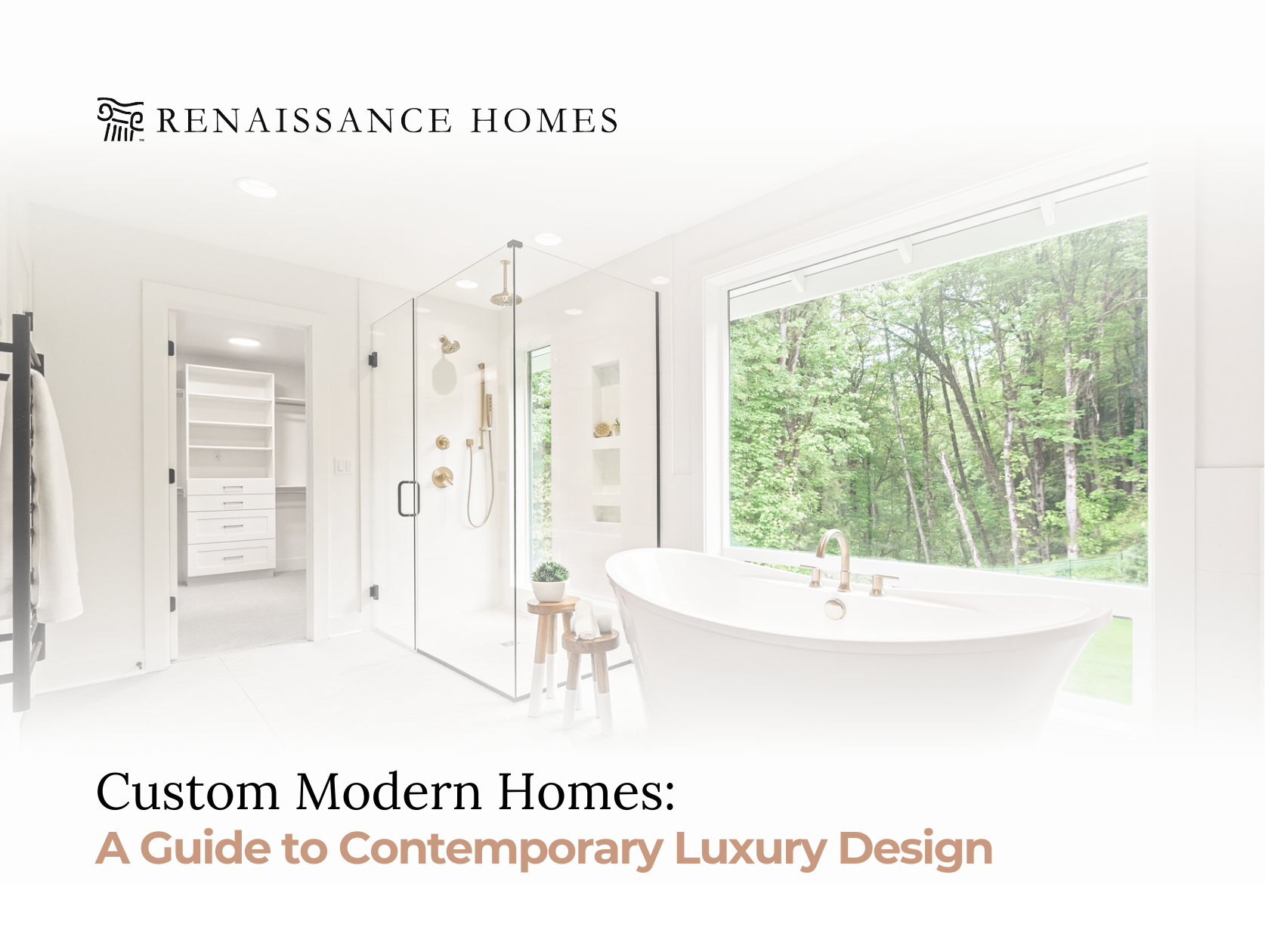
Contemporary bathrooms transform daily routines into spa-like experiences. Floating vanities, frameless glass showers, and freestanding tubs create a sense of spaciousness and tranquility. Large-format tiles minimize grout lines while maximizing visual impact.
Natural materials like stone and wood add warmth to potentially clinical spaces. Heated floors, towel warmers, and programmable shower systems provide comfort and convenience. Thoughtful lighting design, including both task and ambient sources, creates the right atmosphere for morning routines and evening relaxation.
Maximizing Natural Light
Light planning distinguishes exceptional modern homes from merely adequate ones. Beyond large windows, skylights, clerestory openings, and glass walls bring daylight deep into floor plans. Light shelves and reflective surfaces bounce natural light throughout interiors, reducing the need for artificial illumination during daylight hours.
Strategic window placement considers solar angles throughout the year, maximizing winter sun penetration while minimizing summer heat gain. Automated shading systems provide control over light levels and privacy without compromising the connection to outdoors.
Selecting a Builder for Your Modern Home
Building a contemporary residence requires specialized expertise in modern construction techniques and materials. The builder must understand the precision required for clean details, the integration of complex building systems, and the coordination necessary to achieve the seamless appearance that defines successful modern design.
Experience with energy-efficient construction, familiarity with contemporary materials, and a portfolio demonstrating modern aesthetic sensibility are essential qualifications. Equally important is the ability to collaborate effectively with architects and designers to realize ambitious visions while managing practical constraints of budget and schedule.
Why Hire Renaissance Homes for Your Custom Modern Home
Locally owned and operated for over four decades, Renaissance Homes is the custom luxury home builder trusted by the area’s most discerning buyers. As the most awarded builder in Street of Dreams history, our expertise in contemporary design has earned recognition on both regional and national levels.
Our award-winning design team carefully selects premium products that enhance modern aesthetics while ensuring lasting performance. Every custom built home design reflects our commitment to clean lines, innovative materials, and the seamless integration that defines exceptional contemporary architecture. From initial concept through final walkthrough, our proven building process maintains attention to the precision details that distinguish truly outstanding modern homes.
When you choose our custom home builder services for your contemporary project, you’re investing in more than construction expertise. You’re partnering with craftspeople who understand that modern design demands both artistic vision and technical mastery to create residences that will remain timeless examples of architectural excellence.
Frequently Asked Questions
What is the typical cost range for building a custom modern home?
Custom modern home costs vary significantly based on size, materials, site conditions, and design complexity. Budget considerations should account for high-performance windows, specialized materials like architectural concrete or steel, and integrated technology systems that define contemporary construction. A detailed consultation with your builder provides accurate projections based on your specific vision and requirements.
How long does it take to build a custom modern home?
Construction timelines for contemporary homes typically range from 12 to 18 months, depending on project size and complexity. Design development, permitting, and site preparation add several months to the overall timeline. Complex modern designs requiring specialized materials or custom fabrication may extend construction duration.
Can modern design work in traditional neighborhoods?
Contemporary architecture can complement existing neighborhoods through thoughtful design that respects scale, setbacks, and material palettes while expressing modern aesthetics. Many jurisdictions have design review processes for new construction, and experienced builders understand how to navigate these requirements while maintaining design integrity.
What are the maintenance requirements for modern homes?
Modern homes often require less maintenance than traditional construction due to durable materials and simplified details. Flat roofs require more frequent inspection than pitched roofs, and large glass expanses need regular cleaning to maintain their visual impact. Overall, the minimalist aesthetic and quality materials typically reduce long-term maintenance demands.
How do modern homes perform in different climates?
Contemporary design principles adapt successfully to various climates through appropriate material selection and building system design. In the Pacific Northwest, considerations include weather-resistant materials, proper drainage for flat roofs, and high-performance glazing that manages heat loss during rainy winters while welcoming natural light year-round.