Renaissance News
August 1, 2023
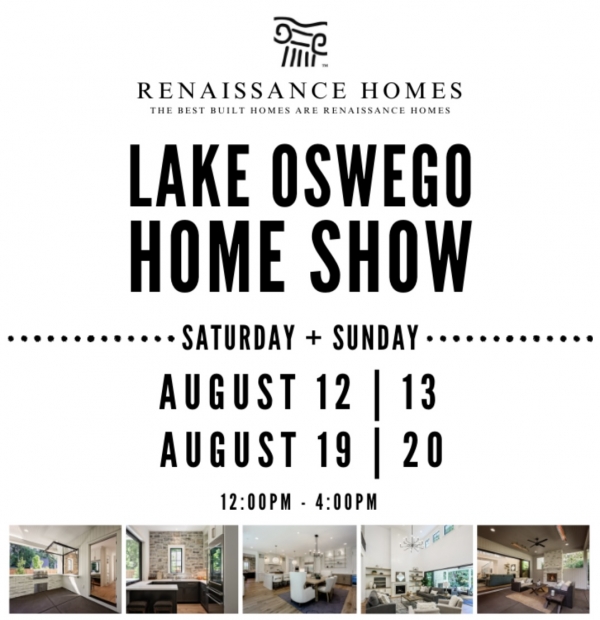
Join us Saturday and Sunday, August 12-13 and August 19-20 from 12pm-4pm for the Renaissance Homes Lake Oswego Home Show! FREE to attend, enjoy complimentary Ruby Jewel ice cream sandwiches and refreshments, and visit every home for a chance to win a $100 gift card to five, incredible Lake Oswego restaurants.
July 27, 2023
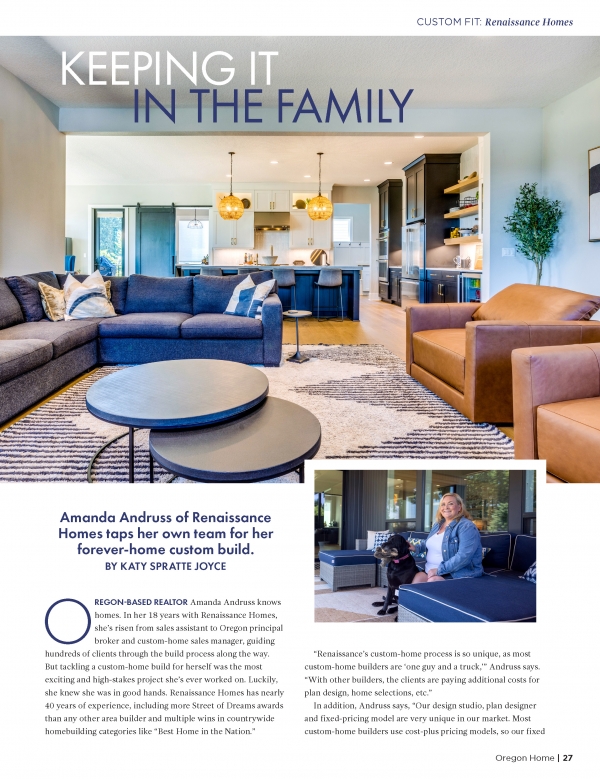
A must-read article from the latest issue of Oregon Home featuring our very own Renaissance Custom Home Sales Manager and Realtor, Amanda's journey to building her own Renaissance Custom Home!

December 1, 2022
There is no better present this holiday season than a spectacular new Renaissance home! Check out our special offer on some of our move-in ready homes in Lake Oswego, Hillsdale, and John's Landing.

November 10, 2021
'Tis the season for giving back! Renaissance Homes is proud to be supporting the 2021 KGW Great Toy Drive this holiday season. We are accepting toy donations at our open houses on Saturdays and Sundays from 12pm-4pm AND at our office on Mondays through Fridays from 8am-5pm through Monday, December 13th. FOR EVERY TOY DONATED, RENAISSANCE WILL DONATE A TOY!
May 6, 2021
For more than a year, the pandemic and national events have brought a level of uncertainty most of us have never experienced. Whether you’re looking to purchase a home or make improvements to the home you have, no doubt you’ve experienced firsthand our ever-changing market conditions. Let’s take some time to discuss how we’ve arrived at this point and what we at Renaissance Homes are doing to make homebuilding better and more predictable for our clients.

March 5, 2021
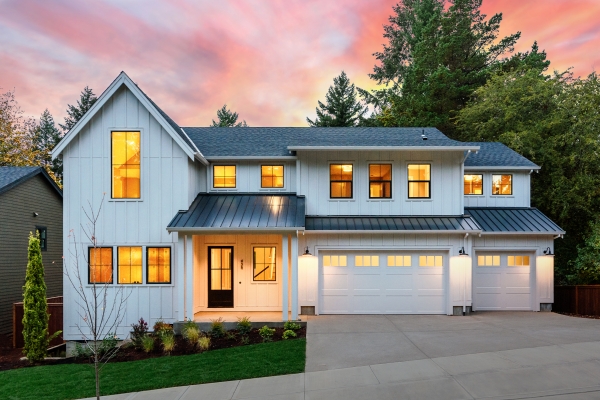
We are very proud to announce Renaissance Homes won FOUR awards in the 2020 National Association of Home Builders "Best in American Living Awards", including Best Home in Region - Pacific Northwest for "Farm to Table". We are incredibly grateful to be recognized on a national stage for this home. Read on to see what other categories we won!
October 8, 2020
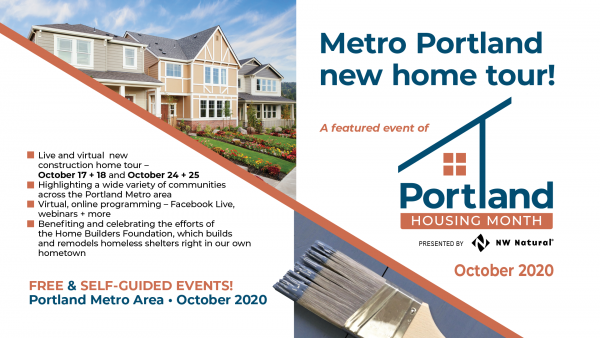
A new construction, scattered site home tour featuring all new homes and communities along with “meet the builder” type activities and promotions is a featured event of Portland Housing Month taking place October 17-18 and October 24-25 from 10am-5pm. Renaissance Homes has three homes on the tour in Portland, Lake Oswego, and Stafford!

September 11, 2020
Oregon is experiencing an unprecedented wildfire season right now. With abundant smoke, ash, and particulate matter produced by the fires, air quality is unsafe and can be dangerous for sensitive groups. The best thing we all can do is to stay home as much as possible and take the necessary precautions to maintain healthy indoor air quality. Our friends at Pyramid Heating & Cooling have shared what you can do NOW to keep the air in your home clean and safe.
April 8, 2020
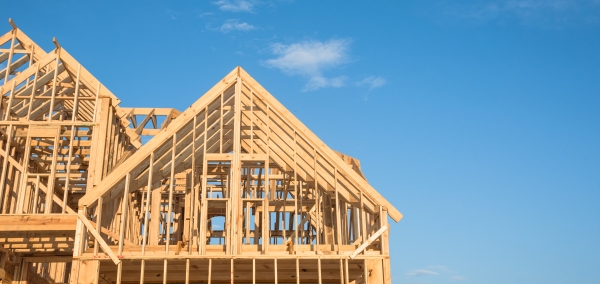
With what we are currently experiencing, it may feel similar to what happened 12 years ago- however, there are many reasons indicating this real estate market is nothing like 2008. Here are five visuals to show the dramatic differences.

March 21, 2020
Check out this article from Oregon Live discussing Coronavirus (COVID-19) impact on the construction industry - with some commentary from our Owner & President, Randy Sebastian.
January 20, 2020
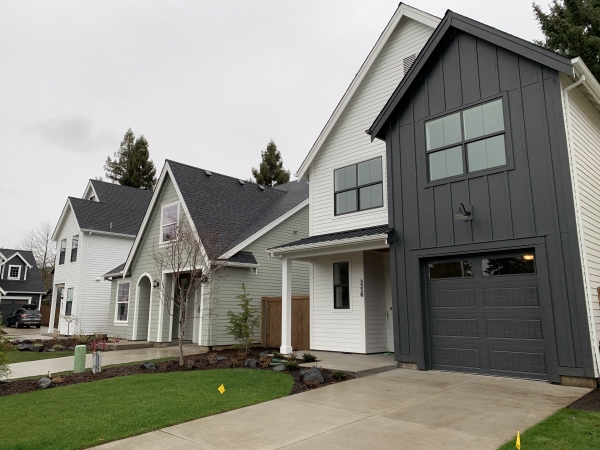
We are halfway sold out at our new 10 home subdivision off of Powell in Southeast Portland- Renaissance at South Tabor. The five remaining homes will be completing in February and March. Don't miss out on this unique opportunity to live in the city, surrounded by beautiful, new, energy-efficient homes!
December 3, 2019
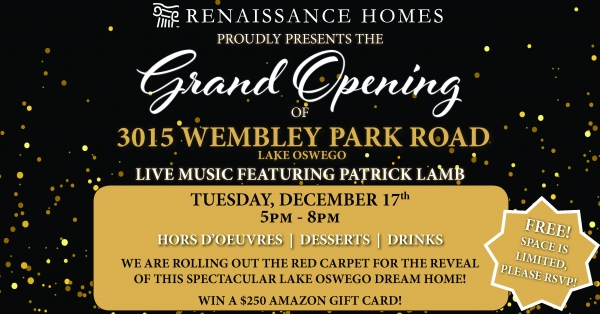
You're invited to an evening holiday affair as we celebrate the Grand Opening of our newest Lake Oswego dream home at 3015 Wembley Park Road. Enjoy cocktails, hors d'...

November 19, 2019
'Tis the season for giving back! Renaissance Homes is proud to be supporting The KGW Great Toy Drive this holiday season. We are accepting toy donations during regular business hours through Friday, December 13th. Drop off your donations at the inside entrance to our office. For every 5 toys donated, Renaissance will donate a toy as well.
September 20, 2019
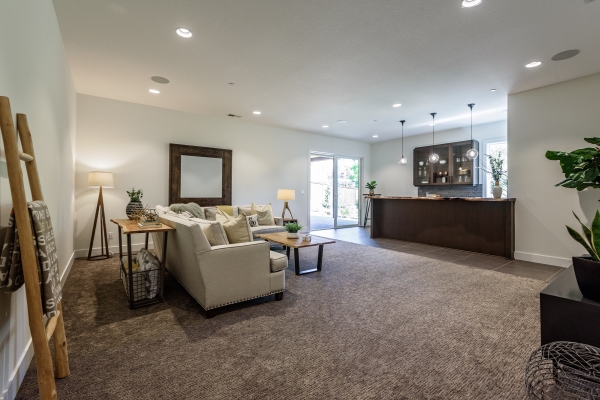
Check out this article from The Oregonian and read how Renaissance has designed homes throughout Portland and Lake Oswego, and plans to build on your own property, that accommodate multiple generations of family living under one roof!

August 29, 2019
We are thrilled to announce our home "Farm to Table" won 14 awards in the 2019 NW Natural Street of Dreams! It is an absolute honor to have won "Best of Show" in all categories. Keep reading to see all 14 awards!
July 16, 2019
Check out this article featured in Portland Monthly about finding your perfect Renaissance home!